Itinerary
Day 1: Arrival at Madurai Transfer to Hotel | Meenakshi Temple Darshan
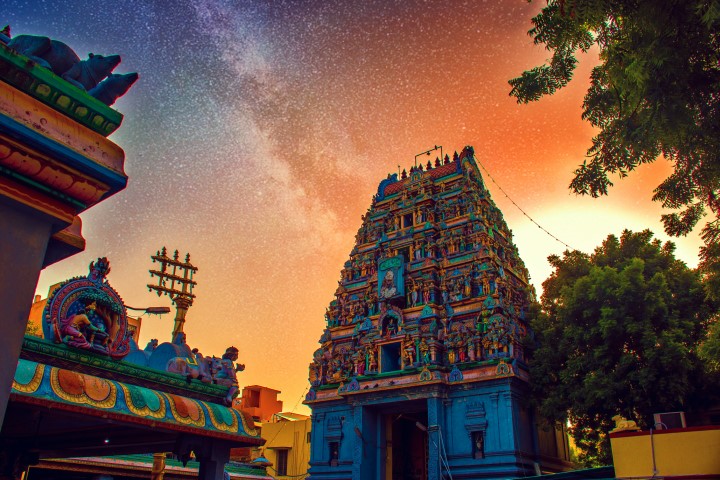
Your sacred journey begins as you land at Madurai Airport. Upon arrival, you will be transferred to your hotel in Madurai, a city that stands as a testament to ancient Tamil culture. The afternoon is dedicated to exploring the magnificent Meenakshi Amman Temple, a stunning architectural marvel adorned with thousands of intricate sculptures. You will be captivated by its towering gopurams and vibrant halls. Later, visit the grandeur of the Thirumalai Nayakkar Palace, a 17th-century palace showcasing a blend of Dravidian and Islamic architectural styles
Overnight Stay in Madurai
Day 2: Madurai to Rameswaram (170 km / 3.5–4 hrs)
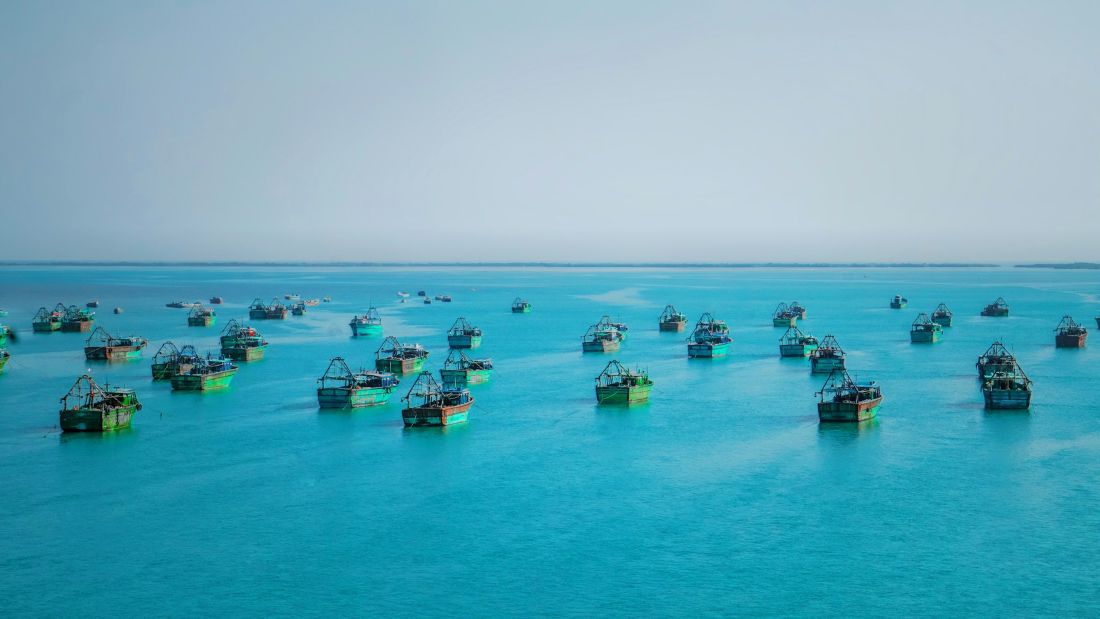
After breakfast in Madurai, embark on a scenic drive to the holy island of Rameswaram. Upon arrival and hotel check-in, visit the revered Ramanathaswamy Temple, one of the twelve Jyotirlinga shrines dedicated to Lord Shiva. Here, immerse yourself in spiritual rituals and take a holy dip at Agnitheertham, a sacred spot on the shores of the Bay of Bengal. The evening is yours to soak in the serene coastal atmosphere
Overnight Stay in Rameswaram
Day 3: Rameswaram | Local Sightseeing
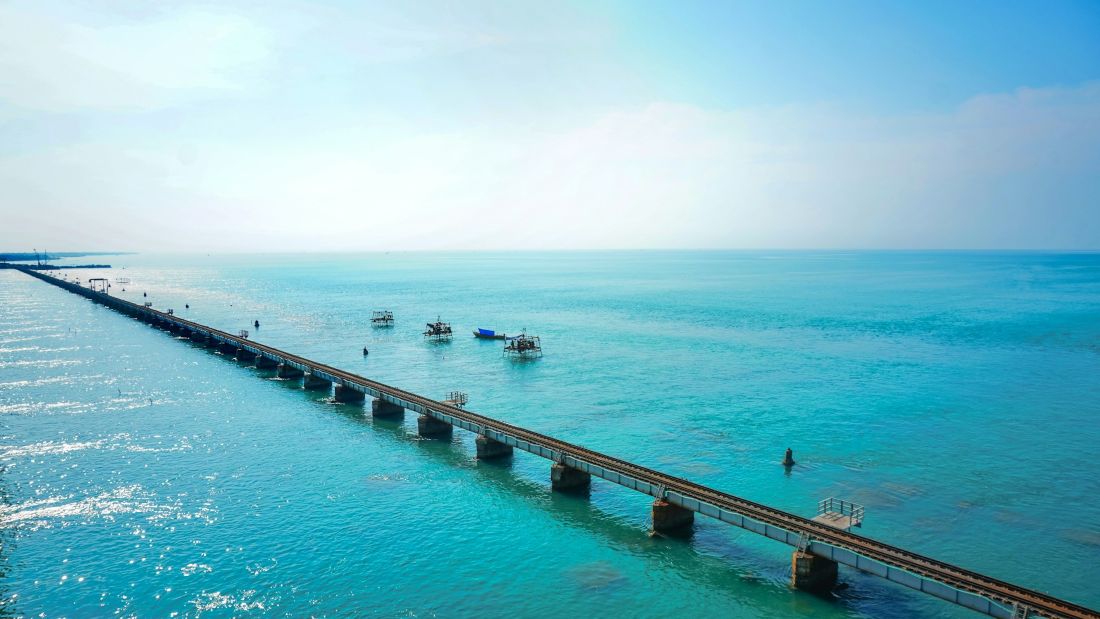
Today is dedicated to exploring the spiritual and historical significance of Rameswaram. Begin with a visit to the Dr. A.P.J. Abdul Kalam Memorial, a tribute to the former President of India. Later, proceed to Dhanushkodi, a ghost town at the southeastern tip of Pamban Island, known for its pristine beaches. Here unfolds the captivating legend of Rama Setu (Adam's Bridge). According to the Ramayana, Lord Rama and his Vanara Sena built this floating bridge to Lanka to rescue Sita. The remnants of this mythological bridge are said to be visible from this point, adding divine wonder to the land
Overnight Stay in Rameswaram
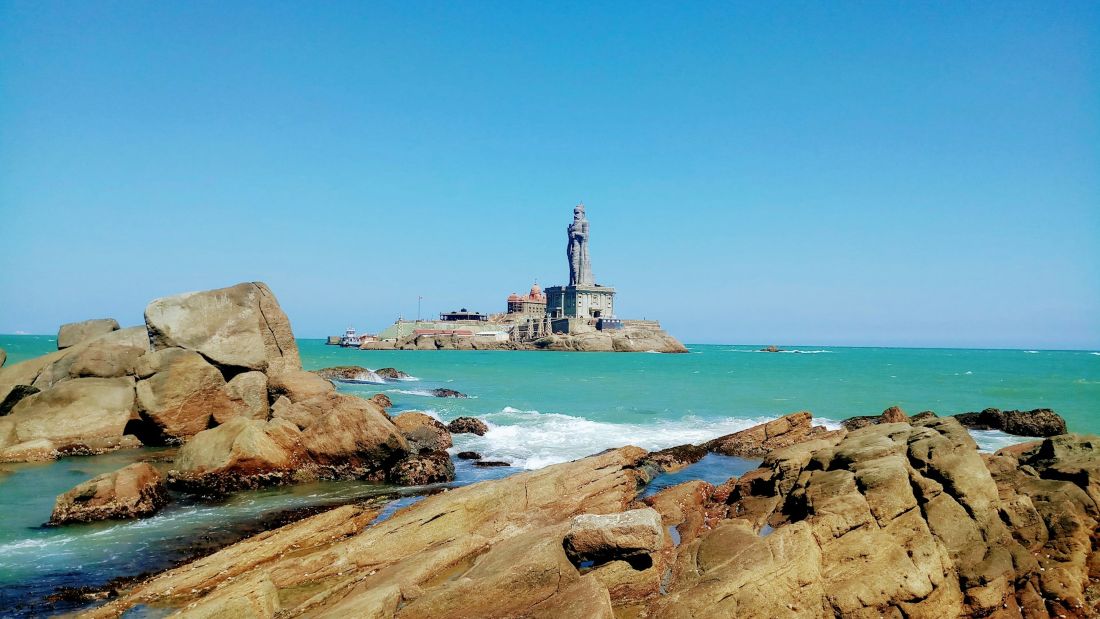
Day 4: Rameswaram to Kanyakumari (310 km / 6–7 hrs)
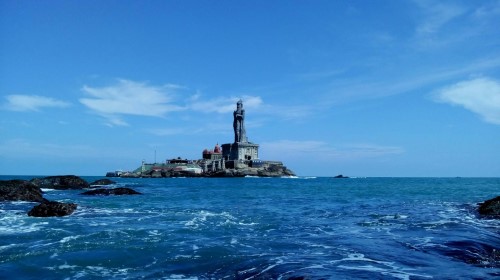
After a serene morning in Rameswaram, begin your journey to the southernmost tip of India, Kanyakumari. Upon arrival and check-in, head to the coast for a ferry ride to the Vivekananda Rock Memorial and the towering Thiruvalluvar Statue, set at the confluence of the Arabian Sea, the Bay of Bengal, and the Indian Ocean. The day concludes with a mesmerizing sunset view over the horizon, a truly unforgettable spectacle
Overnight Stay in Kanyakumari
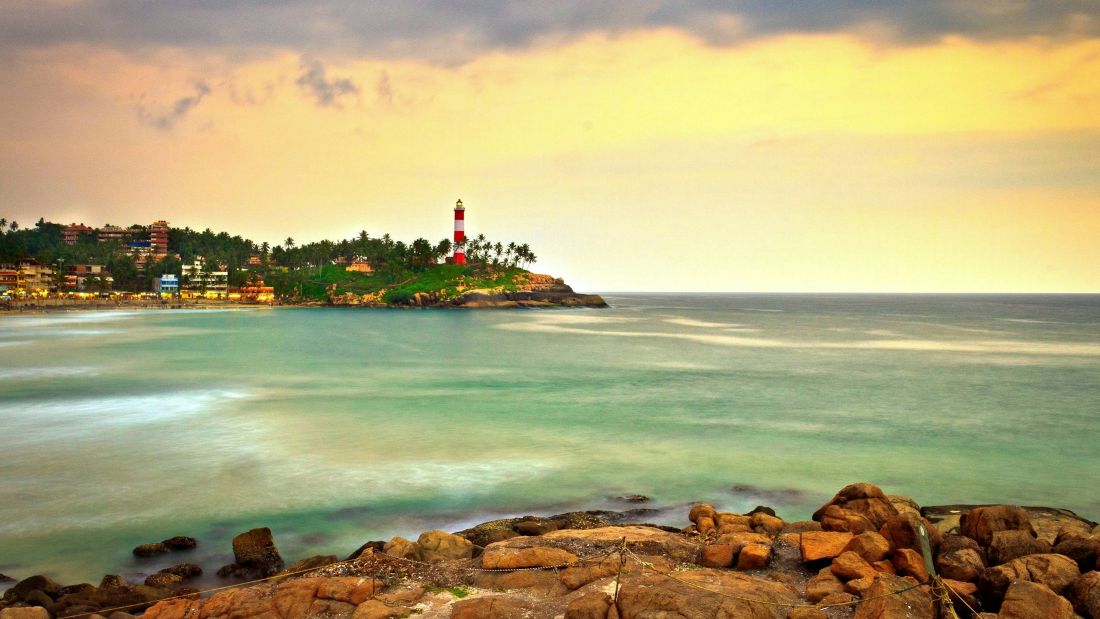
Day 5: Kanyakumari to Kovalam (90 km / 2.5 hrs) | Leisure at Kovalam Beach
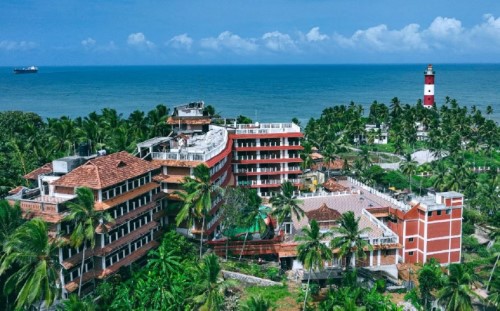
Check out from your hotel in Kanyakumari and travel to Kovalam. Enjoy a relaxing day at Kovalam Beach, known for its pristine shores and clear waters. Explore the lighthouse and indulge in water sports activities.
Overnight Stay in Kovalam
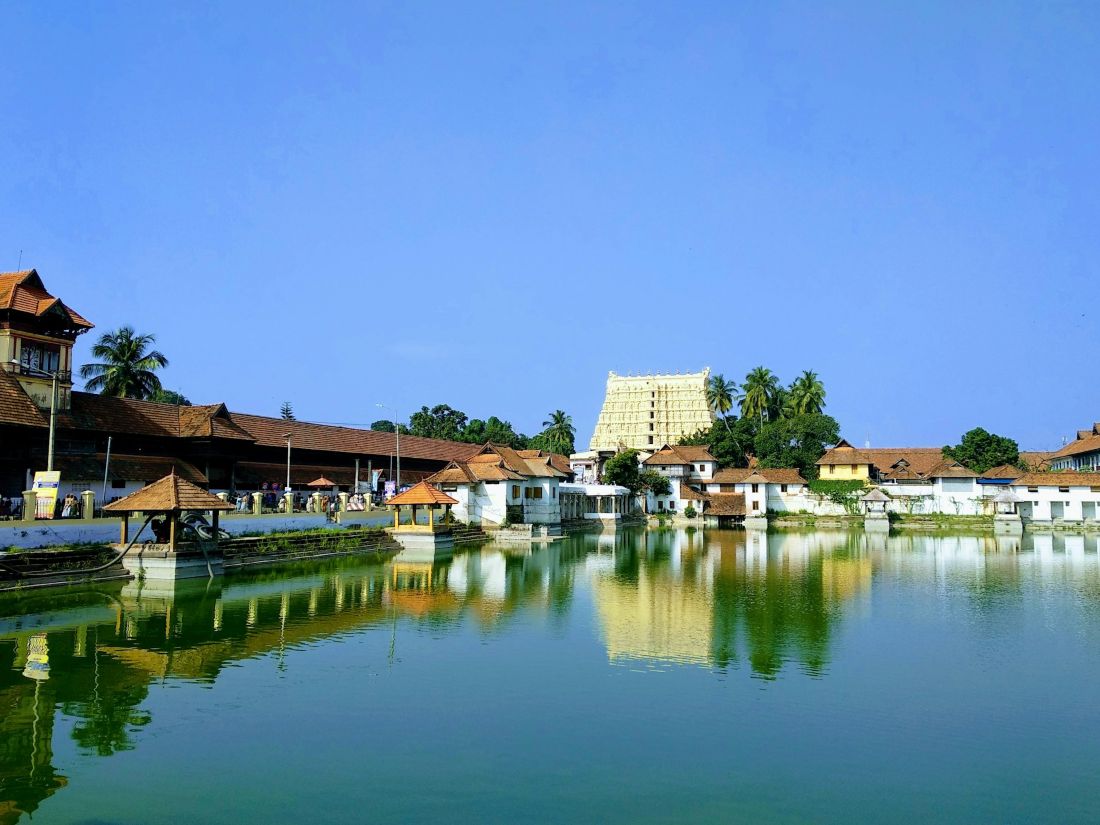
Day 6: Kovalam to Trivandrum (15 km / 30 mins) | Full Day City Tour
Morning after a relaxed breakfast proceed to Trivandrum (15 kms)to visit the famous Padmanabhaswamy Temple, dedicated to Lord Vishnu. Take a stroll in the beautiful Kuthira Malika Palace. Afternoon explore the Napier Museum, housing a unique collection of artifacts.
Overnight Stay in Kovalam
Day 7: Departure from Trivandrum Airport
Depending on your departure time, you can visit the local markets for some shopping. Transfer to Trivandrum Airport or Railway Station for your departure.
End of Tour
FAQs
The ideal time to visit is October to March, when the weather is cooler and more suitable for sightseeing. Summer (April–June) is hot and humid, especially in coastal regions. Hill stations like Ooty and Kodaikanal can be visited even during the summer.
By Air: Major airports include Chennai, Coimbatore, Madurai, Trichy, and Tuticorin.;
By Train: Well connected via Southern Railway to all major cities in India.
By Road: NH network connects Tamil Nadu with Karnataka, Kerala, Andhra Pradesh, and Telangana.
The official language is Tamil. English is widely understood in urban areas and tourist sites. Hindi is less commonly spoken but may be understood in commercial zones.
Yes. Respect for local customs is important. Dress modestly, especially when visiting temples. Footwear must be removed before entering religious places.Some temples may not allow Western attire. Sarees or long skirts for women, and dhotis or pants for men are preferred in stricter temples. Photography may be restricted inside temples.
No permits are required for most places in Tamil Nadu. However, foreign nationals visiting protected tribal areas like Kalakad Mundanthurai Tiger Reserve may need special permits.
Tamil Nadu offers a range from budget guesthouses to luxury hotels, heritage properties, eco-lodges, and homestays. Temple towns often have dharamshalas and modest lodges, while cities like Chennai and Madurai offer 5-star options.
Yes. Tamil Nadu has a strong tradition of vegetarian cuisine, especially in temple towns. Idli, dosa, vada, pongal, and sambhar are staples. Non-vegetarian options are also widely available in coastal and southern districts.
Intra-city: Auto-rickshaws, taxis, buses, Ola/Uber (in larger cities);
Inter-city: Government buses (TNSTC), private buses, and trains;
Rental cars and bikes are also available in tourist areas like Ooty, Kodaikanal, and Pondicherry;
Yes, but limited. Mudumalai, Sathyamangalam, and Anamalai Tiger Reserve offer forest safaris, though wildlife sightings depend on the season and time of day. Bookings must be made via forest departments or authorized eco-tourism sites.
Chennai (city life, beaches);
Madurai (Meenakshi Temple);
Rameswaram (pilgrimage);
Kanyakumari (southern tip of India);
Thanjavur (heritage, temples);
Ooty & Kodaikanal (hill stations);
Mahabalipuram (shore temples);
Chidambaram, Trichy, Kumbakonam (temple circuits).
Kanchipuram silk sarees;
Tanjore paintings;
Bronze idols;
Temple jewelry;
Spices, filter coffee, and handicrafts;
Poompuhar and Khadi products
Pongal (January);
Navaratri (Sept–Oct);
Natyanjali Dance Festival – Chidambaram;
Chithirai Festival – Madurai;
Float Festival – Trichy
Festivals are deeply rooted in culture and include traditional music, dance, and rituals.
The Meenakshi Amman Temple is the centerpiece. Other attractions include Thirumalai Nayakkar Palace and Gandhi Memorial Museum. During temple festivals, classical music and dance performances are held. Chithirai Festival (April–May) is the grandest.
Yes. Men are expected to wear dhotis and remove shirts. Women should wear sarees or salwar kameez. Western wear is discouraged. You can take a ritual bath in the 22 wells inside the temple. A guide or priest can assist with the process.
Dhanushkodi, Pamban Bridge, Abdul Kalam’s Memorial, and Ariyaman Beach are popular.
Rameswaram is primarily a vegetarian town, especially around the temple area. Non-veg restaurants are available at a distance.
It’s the southernmost point of mainland India, where the Bay of Bengal, Arabian Sea, and Indian Ocean meet. It’s also known for sunrise and sunset views. Some of the top places to visit are Vivekananda Rock Memorial, Thiruvalluvar Statue, Kanyakumari Beach, Kumari Amman Temple, and Gandhi Memorial.
Kovalam is about 16 km from Trivandrum, Kerala. From Kanyakumari, it’s a 90-minute drive (85 km), often clubbed in Tamil Nadu itineraries. It is one of the best beach destinations in South India with clean shores and calm waters. Activities like parasailing, surfing, and catamaran rides are available. Kovalam has several seaside restaurants offering fresh seafood, both Indian and continental styles.
Yes. Kovalam is famous for Ayurveda spas and treatments, ranging from day massages to full detox programs.
Padmanabhaswamy Temple, Napier Museum, Sri Chitra Art Gallery, and nearby beaches like Shankumugham and Kovalam.
Yes. Men must wear a mundu; women must wear sarees or full-length dresses. Western clothing is not permitted inside.