Itinerary
Day 1: Arrival at Cochin Transfer to Hotel | Cochin City Tour
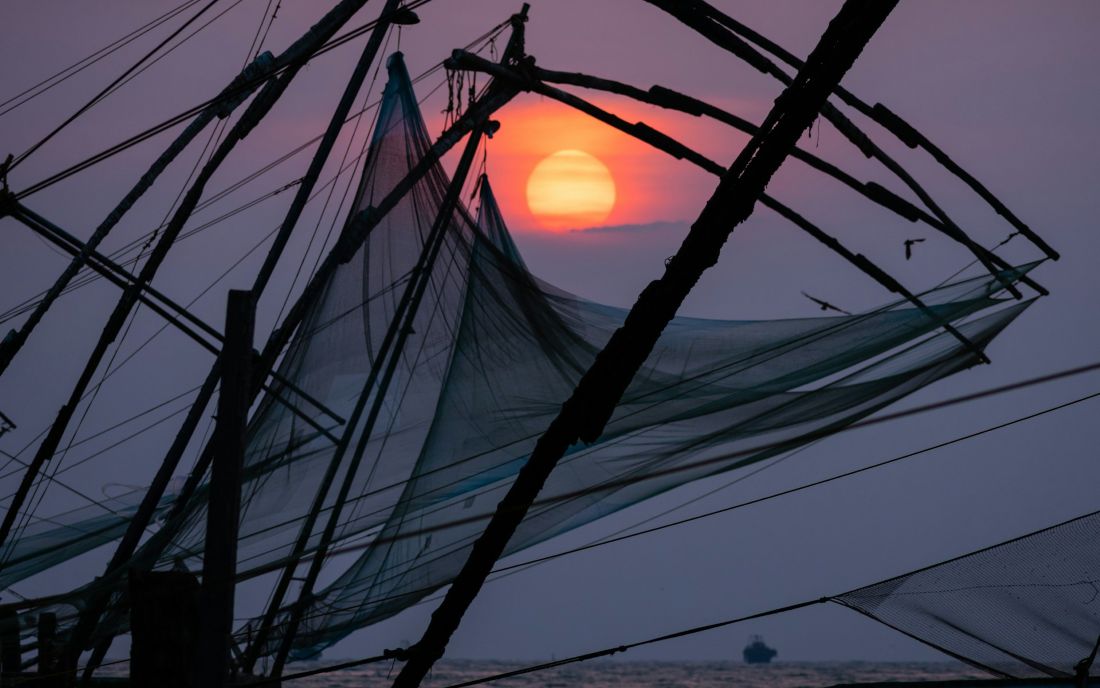
Arrive in Cochin and check into your hotel. Explore the historic Fort Kochi area, known for its colonial architecture and Chinese fishing nets. Explore the bustling streets of Jew Town and visit the Paradesi Synagogue. Spend the evening in the modern town of Ernakulam with a bit of shopping.
Overnight Stay in Cochin
Day 2: Kochi to Munnar (130 km / 4–5 hrs)
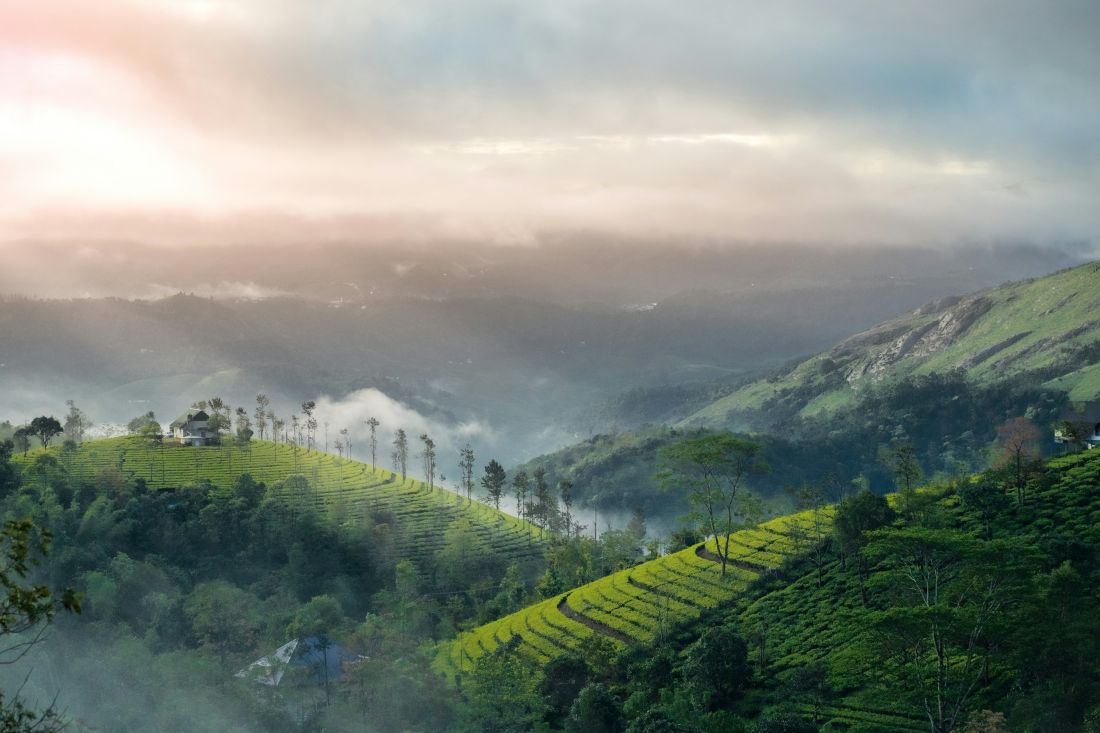
This scenic mountain drive ascends from Kerala’s coastal plains to its highland tea country. En route, visit Cheeyappara and Valara Waterfalls, Neriamangalam Bridge Viewpoint, and spice plantations. Whether climbing up to Munnar or descending toward Kochi, the shifting scenery and cool breezes make the journey memorable.
Overnight Stay at Munnar
Day 3: Explore Munnar
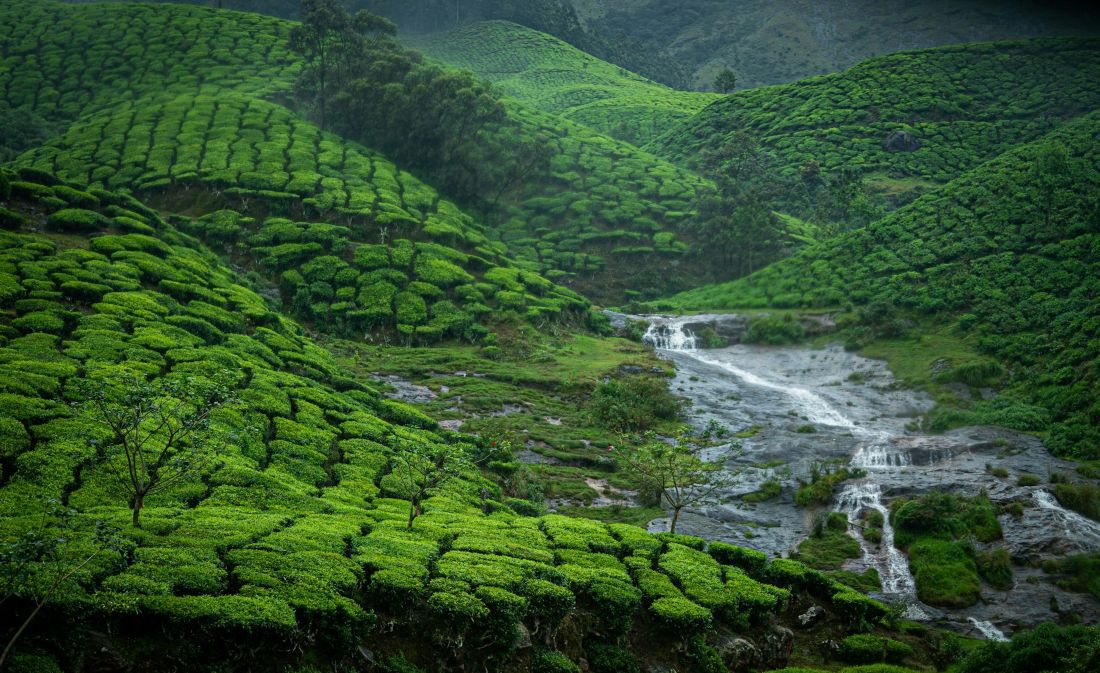
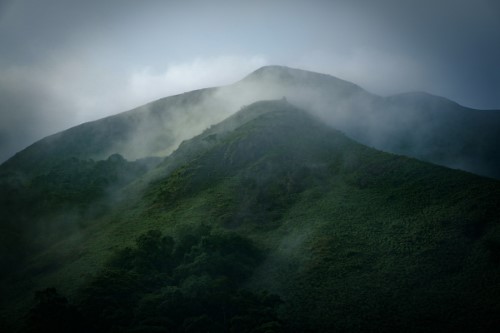
Begin your journey with a visit to the vast Tea Plantations and explore the Tea Museum to learn about Munnar’s tea-making legacy. Drive to Pothamedu Viewpoint for rolling hills and misty landscapes. Enjoy a relaxed walk through lush estates and take in the cool mountain air. End the day with leisure time at your resort amidst serene greenery.
Highlights: Tea Museum, Mattupetty Dam, Echo Point, Kundala Lake, Blossom Park, Tea Estate Views
Optional: Short speed boat ride at Mattupetty / Horse ride at Echo Point
Overnight Stay in Munnar
Day 4: Munnar to Thekkady (110 km / 3 Hrs)
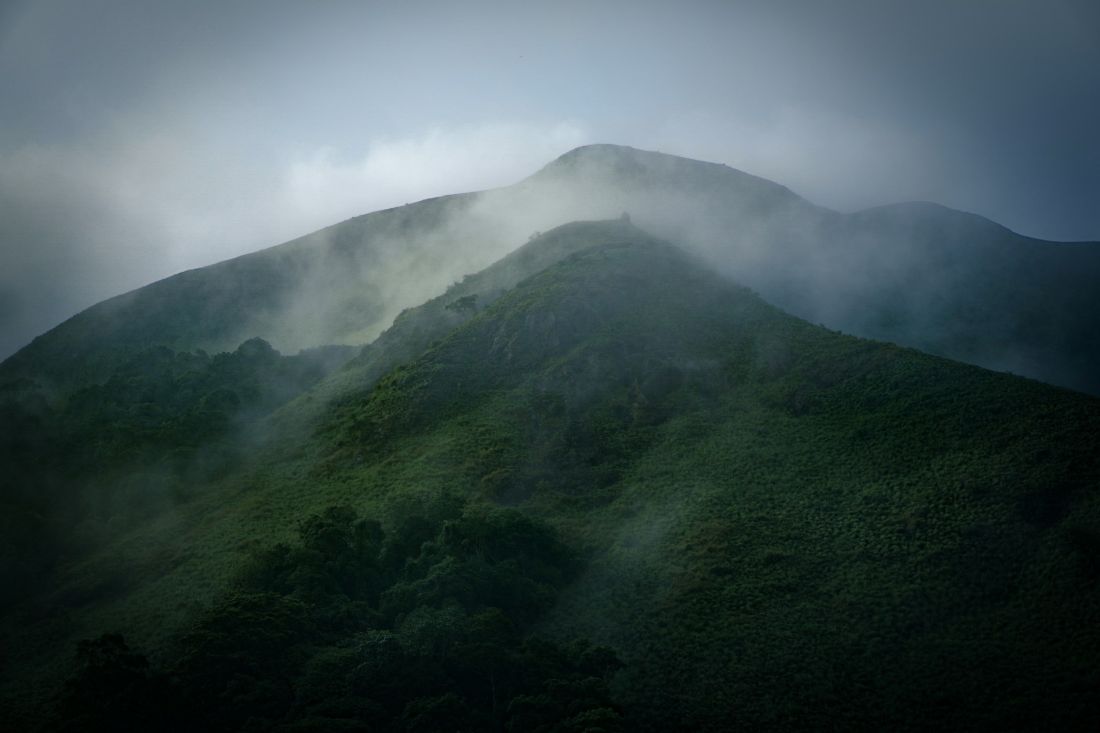
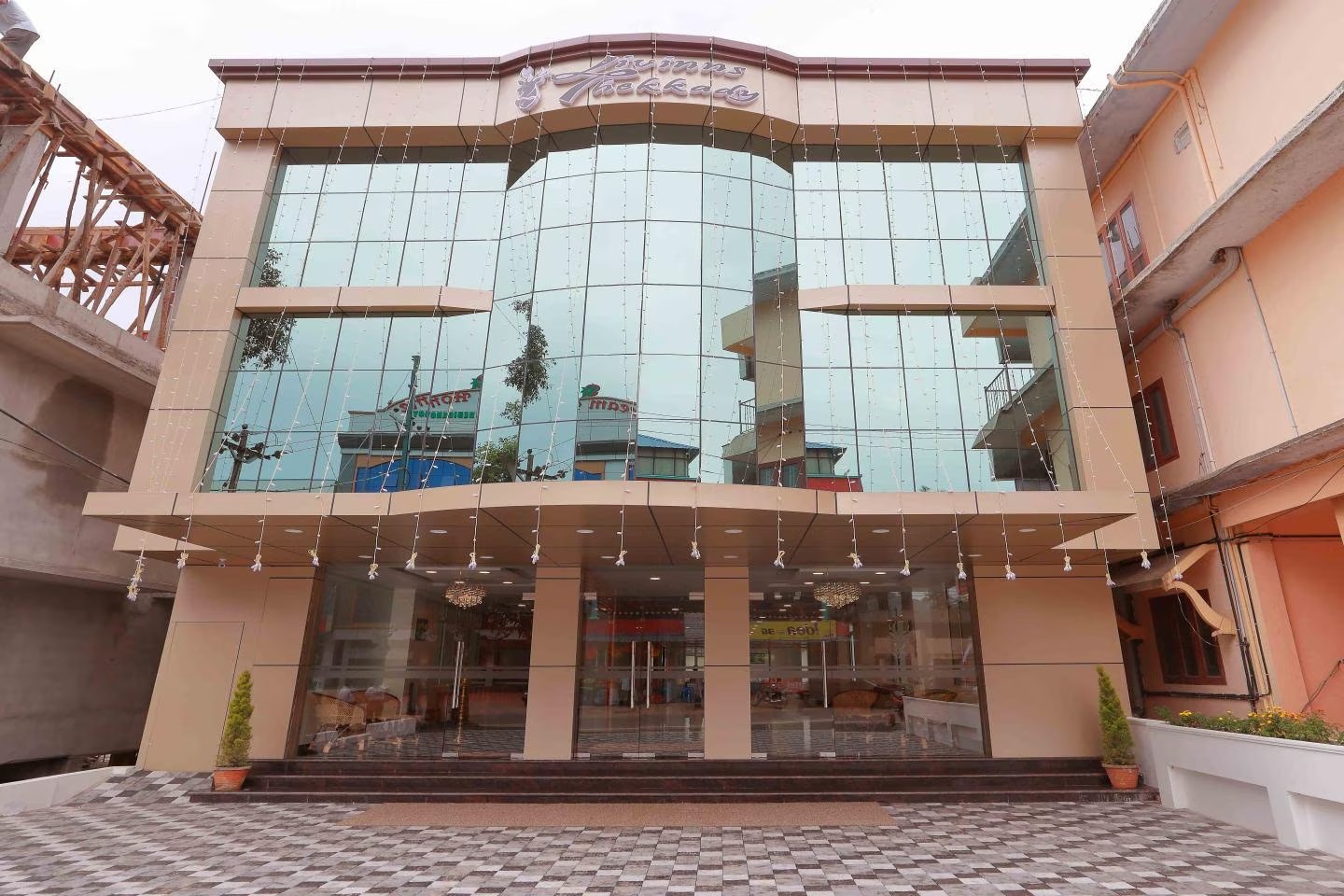
Drive to Thekkady, famous for its wildlife sanctuary and spice plantations. Check into your hotel and relax for a while. In the afternoon, take a boat ride on Periyar Lake in Periyar Wildlife Sanctuary. Spot wildlife, including elephants, deer, and various bird species. Visit the spice plantations and learn about the various spices grown in the region.
Overnight Stay in Thekkady
Day 5: Thekkady to Alleppey (140 km / 4 Hrs)
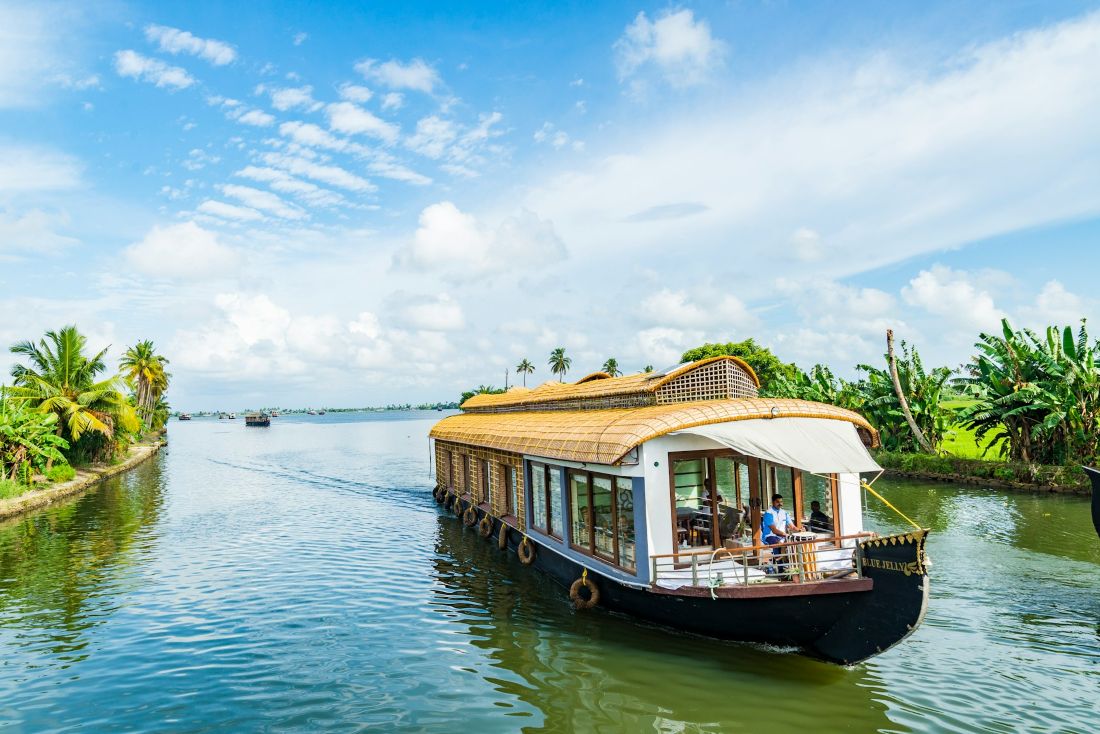
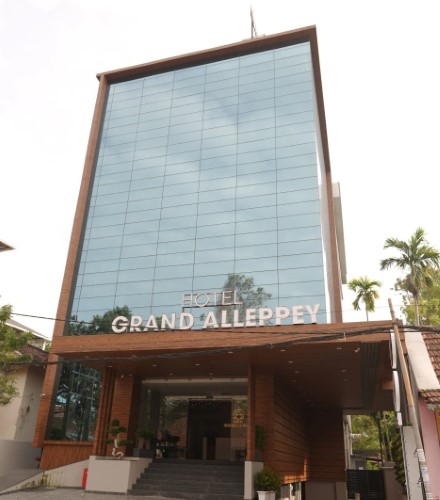
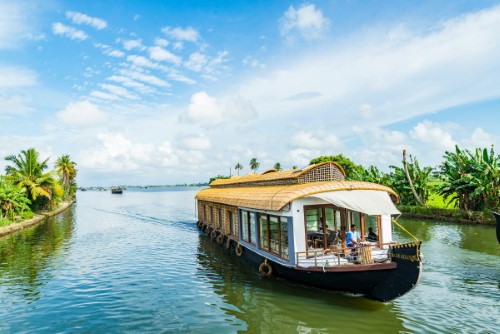
Drive to Alleppey. Check in to the hotel. After a short rest enjoy a boating through the backwaters (cost extra). Enjoy the serene surroundings as you sail through the backwaters, passing by lush paddy fields and coconut groves. Spend the evening in Alleppey beach.
Overnight Stay in Alleppey
Day 6: Alleppey to Varkala (120 km / 3–4 hrs)
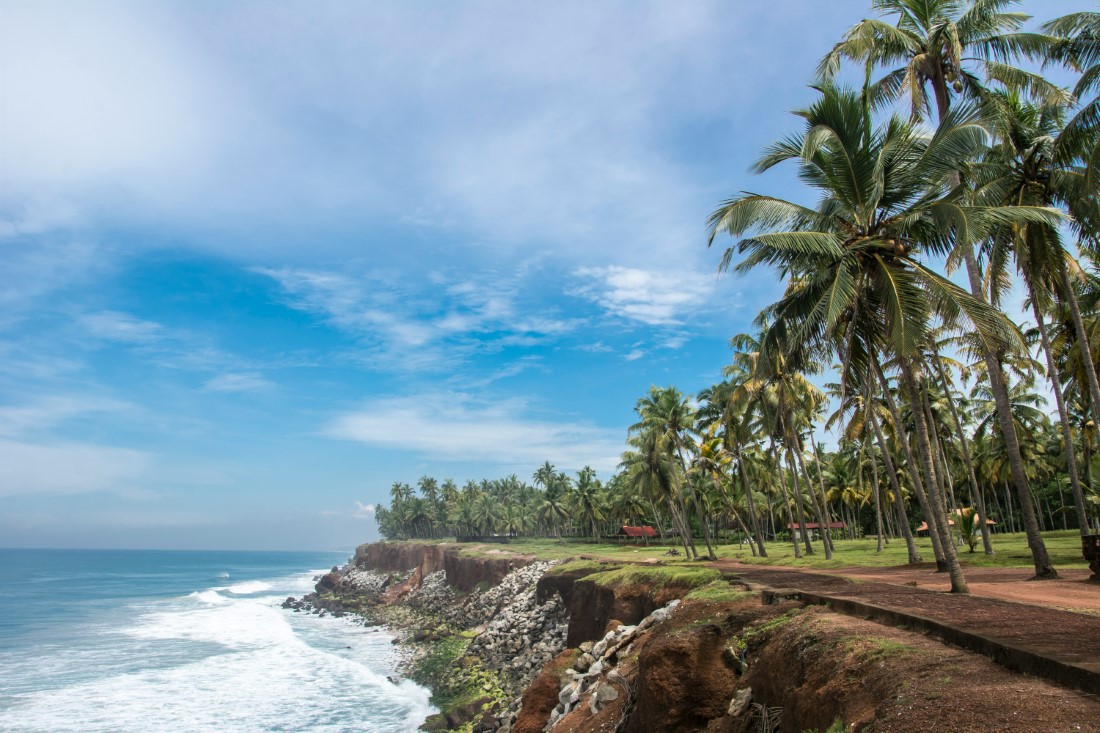
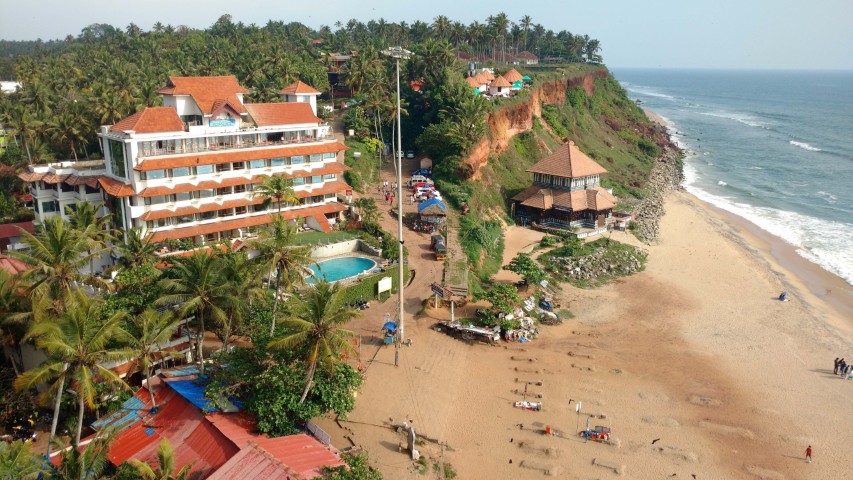
After breakfast, check out and drive to Varkala, a charming beach destination famous for its cliffside views and golden beaches. Check in to your hotel and spend the rest of the day relaxing at Varkala Beach or exploring the lively cliff area.
Overnight Stay in Varkala
Meals Included: Breakfast
Day 7: Varkala to Kovalam (55 km / 1.5 hrs)
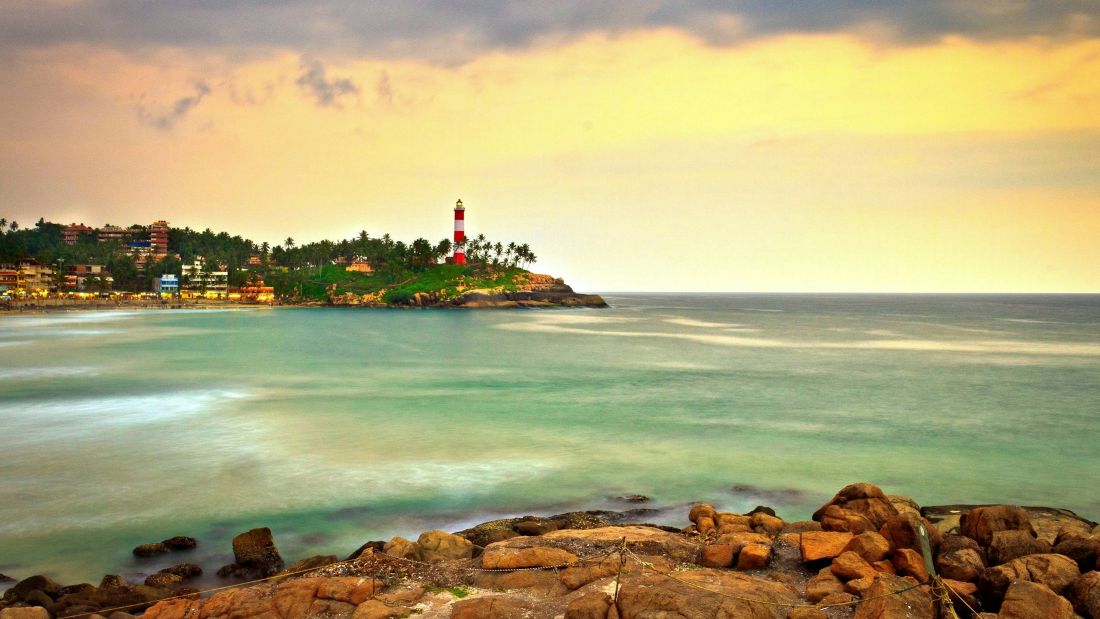
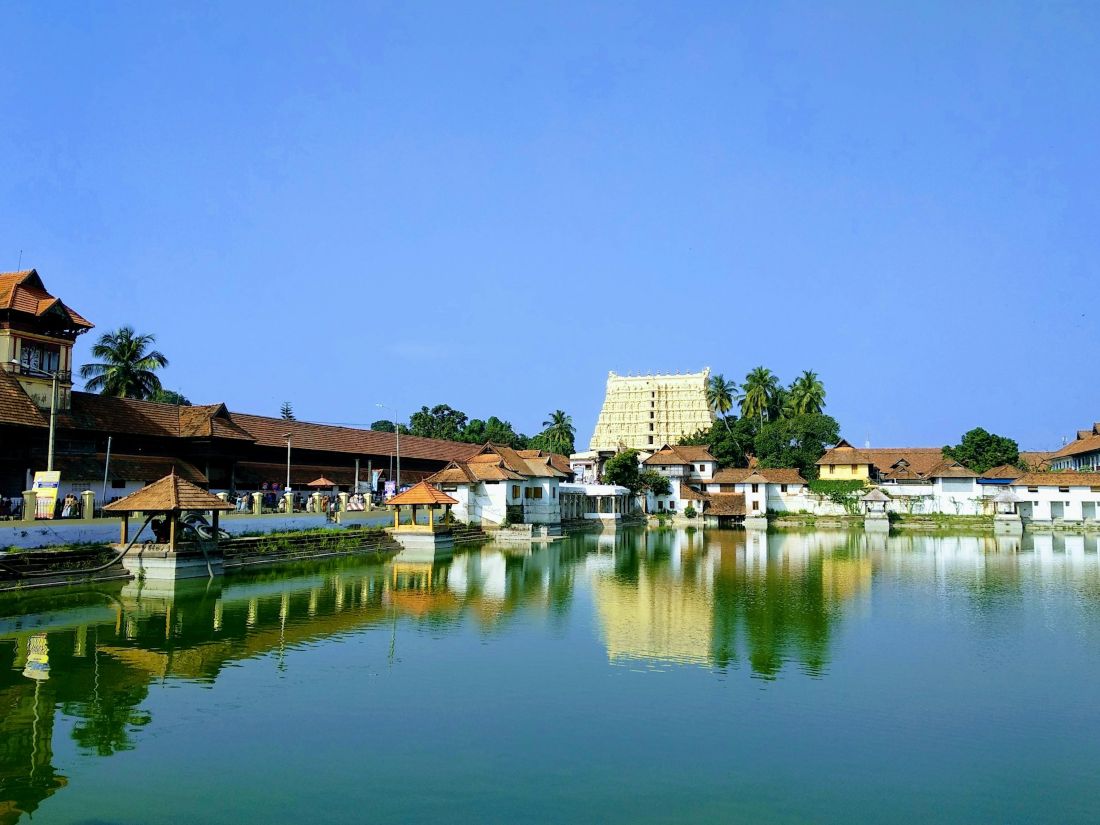
After breakfast, check out from the hotel and proceed to Kovalam. En route, visit the sacred Sree Padmanabhaswamy Temple, one of the richest and most revered temples in India (entry is subject to temple timings and dress code regulations).
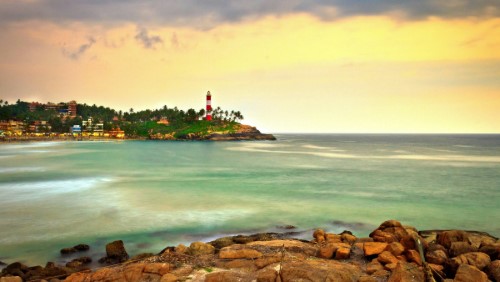
Upon arrival in Kovalam, check in to your hotel and relax. Later, visit the famous beaches of Kovalam, including Lighthouse Beach, Hawa Beach, and Samudra Beach. Spend the evening enjoying the scenic coastline and beautiful sunset views.
Overnight Stay in Kovalam
Meals Included: Breakfast
Day 8: Kanyakumari Day Excursion (95 km / 2.5 hrs one way)
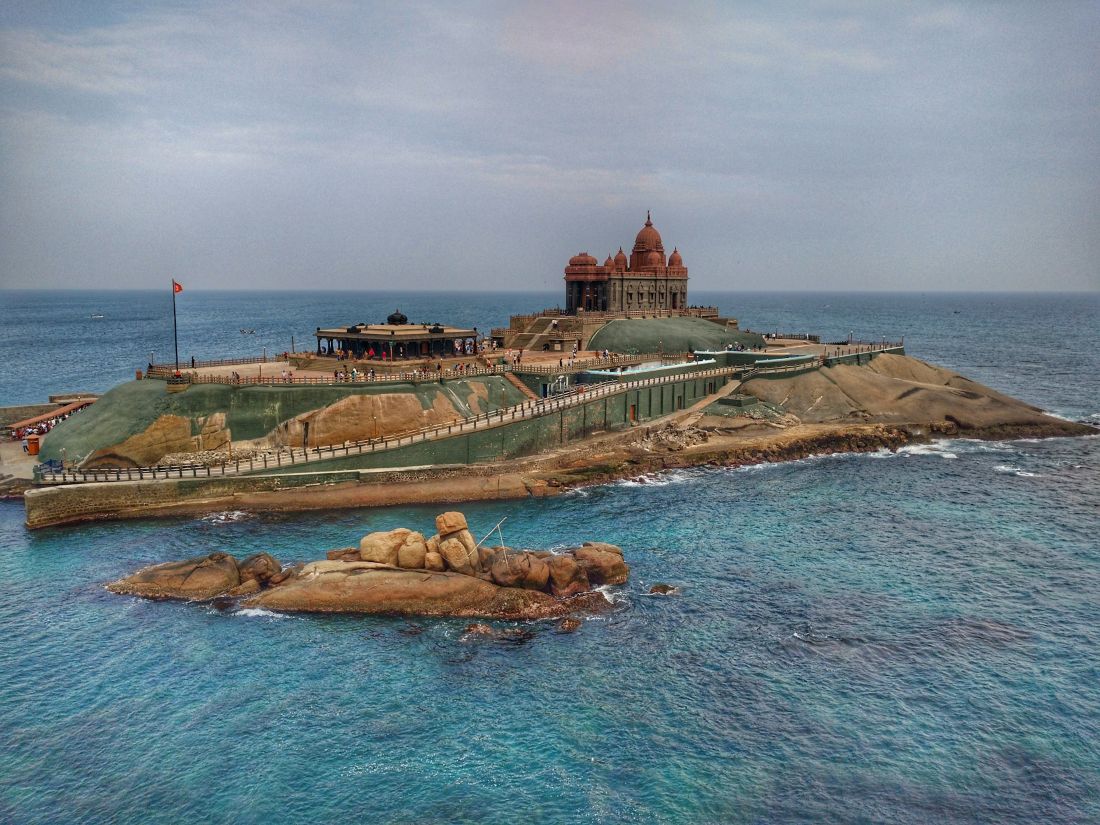
After breakfast, proceed for a full-day excursion to Kanyakumari, the southernmost tip of mainland India. Visit the Vivekananda Rock Memorial, Thiruvalluvar Statue, Kanyakumari Temple, Gandhi Memorial, and enjoy the spectacular views where the Arabian Sea, Bay of Bengal, and Indian Ocean meet. Later, return to Kovalam by evening.
Overnight Stay in Kovalam
Meals Included: Breakfast
Day 9: Departure from Trivandrum
After breakfast, check out from the hotel and transfer to Trivandrum Airport/Railway Station for your onward journey with unforgettable memories of Kerala.
End of Tour
Meals Included: Breakfast
FAQs
The ideal time is October to March, when the weather is cool and pleasant. The monsoon season (June to September) is popular for Ayurvedic treatments, while summer (April–May) is hot and humid but suitable for hill stations.
Kerala is well connected by:
Air: Major airports – Trivandrum (TRV), Cochin (COK), Calicut (CCJ);
Rail: Extensive train network connects Kerala to major Indian cities;
Road: National highways from Karnataka, Tamil Nadu, and other South Indian states.
Inter-city: Buses, trains, taxis, private cabs;
Intra-city: Auto-rickshaws, buses, taxis, and app-based cabs (available in cities);
Houseboats and ferries: Common in backwater regions like Alleppey and Kumarakom.
Yes, but they are best enjoyed from October to March. During monsoon, operations may pause briefly during heavy rains or flooding.
Kerala offers a wide range:
Luxury resorts;
Backwater houseboats;
Plantation homestays;
Eco-lodges;
Budget hotels and guesthouses;
Kerala offers a wide range:
Luxury resorts;
Backwater houseboats;
Plantation homestays;
Eco-lodges;
Budget hotels and guesthouses.
Yes. South Indian vegetarian food is widely available. That said, Kerala is also famous for its seafood and meat-based dishes, especially in coastal and Christian/Muslim-dominated areas.
Yes. Kerala has an excellent healthcare system with hospitals and clinics in both cities and towns. Pharmacies are widespread and most medications are available without prescription.
Always drink bottled or filtered water. Bottled water is available at all hotels and shops.
Yes:
Dress modestly, especially in temples and rural areas;
Remove shoes before entering religious places;
Public displays of affection are discouraged;
Respect local customs and rituals.
Yes, Kerala is globally known for authentic Ayurveda. Choose government-licensed centers or those with professional certifications for safety and quality.
Yes. In many temples, men are required to wear dhotis without shirts, and women are expected to wear sarees or traditional attire. Western clothes are usually not allowed in major temples like Guruvayur and Sabarimala.
Cochin – heritage and colonial charm;
Munnar – tea gardens and hills;
Thekkady – Periyar Wildlife Sanctuary;
Alleppey/Kumarakom – backwaters and houseboats;
Kovalam/Varkala – beaches;
Wayanad – forests and waterfalls;
Athirapally – waterfalls;
Trivandrum – capital city with temples and beaches.
Some of the popular festivals are
Onam (Aug–Sept) – harvest festival
Vishu (April) – New Year;
Thrissur Pooram – temple festival with elephants and fireworks;
Theyyam – ritual dance in North Kerala;
Boat Races (Aug–Sept) – during monsoon.
No special permits are required for Indian citizens. Foreign tourists may need permits for protected forest areas or tribal zones.
Tea gardens, Eravikulam National Park, Anamudi Peak, waterfalls, and scenic viewpoints like Top Station and Echo Point. Trails like Meesapulimala and Anamudi offer moderate treks with required permissions.
It is known for the Periyar Wildlife Sanctuary, bamboo rafting, spice plantations, and jungle activities. Some of the activities are Boat safari, bamboo rafting, nature walks, border hiking, elephant rides (regulated), spice garden visits.
Tigers are rare sightings. You’re more likely to see elephants, bison, wild boars, and various birds. Safaris can be booked online via the Kerala Forest Department website or at the Periyar Eco-tourism center in Kumily.
Yes. Alleppey is the anglicized name; both refer to the same backwater town. A houseboat cruise through the backwaters is the highlight. You can choose day cruises or overnight stays. Swimming is not advised due to muddy waters, boat traffic, and hygiene concerns.
Houseboats come in 1- to 5-bedroom options with private or shared bookings. Meals are usually included. Operations reduce slightly during heavy monsoon (July–August).
A blend of colonial history and modernity—Fort Kochi, Chinese Fishing Nets, Mattancherry Palace, and art cafes.
Yes. Spices, handicrafts, antique jewelry, and clothing are available in local markets and emporiums.
The ideal time to visit is October to March, when the weather is cooler and more suitable for sightseeing. Summer (April–June) is hot and humid, especially in coastal regions. Hill stations like Ooty and Kodaikanal can be visited even during the summer.
By Air: Major airports include Chennai, Coimbatore, Madurai, Trichy, and Tuticorin.;
By Train: Well connected via Southern Railway to all major cities in India.
By Road: NH network connects Tamil Nadu with Karnataka, Kerala, Andhra Pradesh, and Telangana.
The official language is Tamil. English is widely understood in urban areas and tourist sites. Hindi is less commonly spoken but may be understood in commercial zones.
Yes. Respect for local customs is important. Dress modestly, especially when visiting temples. Footwear must be removed before entering religious places.Some temples may not allow Western attire. Sarees or long skirts for women, and dhotis or pants for men are preferred in stricter temples. Photography may be restricted inside temples.
No permits are required for most places in Tamil Nadu. However, foreign nationals visiting protected tribal areas like Kalakad Mundanthurai Tiger Reserve may need special permits.
Tamil Nadu offers a range from budget guesthouses to luxury hotels, heritage properties, eco-lodges, and homestays. Temple towns often have dharamshalas and modest lodges, while cities like Chennai and Madurai offer 5-star options.
Yes. Tamil Nadu has a strong tradition of vegetarian cuisine, especially in temple towns. Idli, dosa, vada, pongal, and sambhar are staples. Non-vegetarian options are also widely available in coastal and southern districts.
Intra-city: Auto-rickshaws, taxis, buses, Ola/Uber (in larger cities);
Inter-city: Government buses (TNSTC), private buses, and trains;
Rental cars and bikes are also available in tourist areas like Ooty, Kodaikanal, and Pondicherry.
Yes, but limited. Mudumalai, Sathyamangalam, and Anamalai Tiger Reserve offer forest safaris, though wildlife sightings depend on the season and time of day. Bookings must be made via forest departments or authorized eco-tourism sites.
Chennai (city life, beaches);
Madurai (Meenakshi Temple);
Rameswaram (pilgrimage);
Kanyakumari (southern tip of India);
Thanjavur (heritage, temples);
Ooty & Kodaikanal (hill stations);
Mahabalipuram (shore temples);
Chidambaram, Trichy, Kumbakonam (temple circuits).
Kanchipuram silk sarees;
Tanjore paintings;
Bronze idols;
Temple jewelry;
Spices, filter coffee, and handicrafts;
Poompuhar and Khadi products.
Pongal (January);
Navaratri (Sept–Oct);
Natyanjali Dance Festival – Chidambaram;
Chithirai Festival – Madurai;
Float Festival – Trichy
Festivals are deeply rooted in culture and include traditional music, dance, and rituals.
Yes. Boating is available at Ooty Lake and Pykara Lake.
Yes. Popular treks include Dolphin’s Nose, Coaker’s Walk, and Pillar Rocks. Cycling and boating at Kodai Lake are also popular.
Yes. Kodaikanal has eco-lodges, plantation stays, and forest-view resorts suited for nature enthusiasts.
Yes. Men are expected to wear dhotis and remove shirts. Women should wear sarees or salwar kameez. Western wear is discouraged. You can take a ritual bath in the 22 wells inside the temple. A guide or priest can assist with the process.
Dhanushkodi, Pamban Bridge, Abdul Kalam’s Memorial, and Ariyaman Beach are popular.
Rameswaram is primarily a vegetarian town, especially around the temple area. Non-veg restaurants are available at a distance.
The Meenakshi Amman Temple is the centerpiece. Other attractions include Thirumalai Nayakkar Palace and Gandhi Memorial Museum. During temple festivals, classical music and dance performances are held. Chithirai Festival (April–May) is the grandest.
It’s the southernmost point of mainland India, where the Bay of Bengal, Arabian Sea, and Indian Ocean meet. It’s also known for sunrise and sunset views. Some of the top places to visit are Vivekananda Rock Memorial, Thiruvalluvar Statue, Kanyakumari Beach, Kumari Amman Temple, and Gandhi Memorial.
Kovalam is about 16 km from Trivandrum, Kerala. From Kanyakumari, it’s a 90-minute drive (85 km), often clubbed in Tamil Nadu itineraries. It is one of the best beach destinations in South India with clean shores and calm waters. Activities like parasailing, surfing, and catamaran rides are available. Kovalam has several seaside restaurants offering fresh seafood, both Indian and continental styles.
Yes. Kovalam is famous for Ayurveda spas and treatments, ranging from day massages to full detox programs.


 Culinary & Food
 Culture, Heritage & History
 Lakes & Rivers
 Mountain & Hill Stations
 Nature & Wildlife
 Scenic Drives
 Shopping & Local Markets
 Spa & Wellness Retreats