WhatsApp

9 Days Ladakh Tour (Leh, Sham Valley, Tso Moriri, Nubra Valley, Pangong Lake)

Leh(Kushok Bakula Rimpochee Airport) > Leh(1N) > Sham Valley(1N) > Leh(1N) > Tso Moriri Lake(1N) > Leh(1N) > Nubra Valley(1N) > Pangong Lake(1N) > Leh(1N) > Leh(Kushok Bakula Rimpochee Airport)

Not Rated from 0 reviews
0/5
0% of guests recommend

Duration

9 Days

Group Size

18 persons

Location

Ladakh

Sketch Itinerary

Itinerary

Day 1: Arrival at Leh Transfer to Hotel | Half Day City Tour

Welcome to Leh | Arrive at Kushok Bakula Rimpochee Airport.

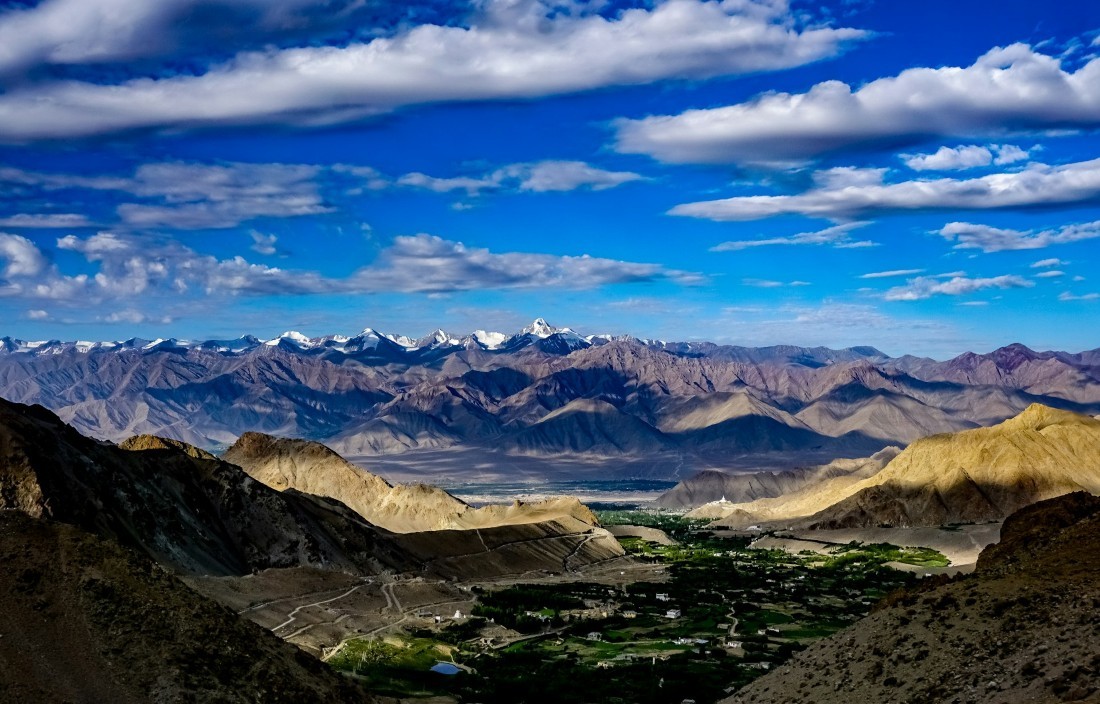
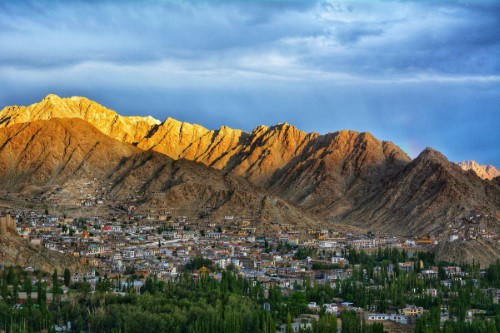
Arrival Leh by moning flight and transfer to the hotel. After welcome drink take a complete rest for acclimatization to the height altitude of Leh (3500 meters). In the late afternoon drive to the city for an orientation walk in the markets‚ followed by a visit to Shanti Stupa‚ Leh palace. 

Shanti  Stupa is situated on a hilltop in Chanspa, Leh district, Ladakh, in the north Indian state of Leh. Shati Stupa as know Buddhist white-domed stupa. It was built in 1991 by Japanese Buddhist Bhikshu Gyomyo Nakamura. The Shanti Stupa holds the relics of the Buddha at its base, enshrined by the 14th Dalai Lama himself. Shanti stupa provides beautiful and panoramic view of the surrounding landscape. This has become a primary reason for Shanti Stupa to become a popular tourist attraction, apart from its religious.

Leh Palace also known as 'Lhachen Palkhar,' is a 17th-century former royal palace and one of the central attractions in Leh. Built under the patronage of by King Sengge Namgyal, it used to house his family. The nine-storey dun-coloured palace now houses a museum and a prayer room, while the highlight is the sweeping view of Leh and the surrounding Zanskar mountain from the rooftop.

Overnight at hotel in Leh
Day 2: Leh to Sham Valley (75 kms / 4 hrs)

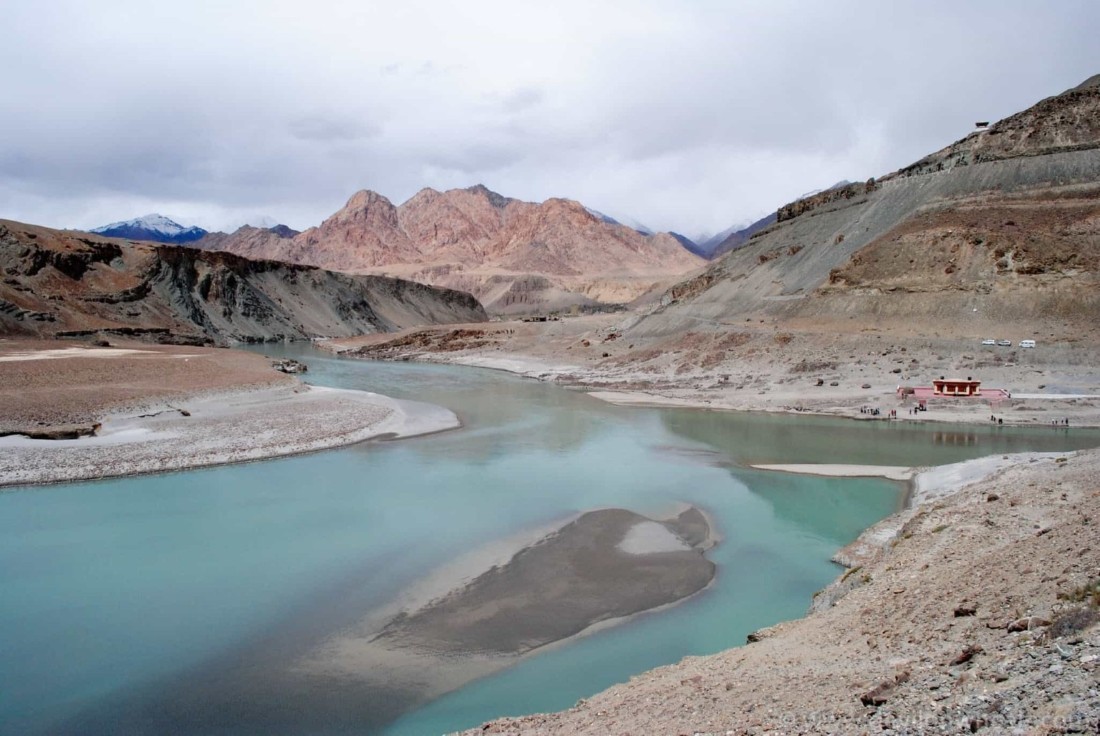
After breakfast you drive downstream along the River Indus on Leh – Kargil Highway. Enroute visiting Gurudwara Patthar Sahib nestled deep in the Himalayas, a drive of another 4 km took us to Magnetic Hill which defies the law of gravity & further driving through a picturesque landscape we reached the confluence of the Indus and Zanskar River, just before Saspul a road to the right takes you for your visit to the Likir Monastery, Likir is one of the most active monasteries in the region. As you drive up to the monastery a recently installed colossal gilded image of the Maitreya out in the open is one of the most impressive sights in Ladakh. After visiting the monastery, you continue your drive along the River Indus to Tingmosgang en route visiting Ridzong Monastery, there is the option to walk up to the monastery for those that wish to do so. Hidden at the end of a steep valley, the first view of the monastery is dramatic. After visiting above places.

Overnight Stay in Sham Valley Camp/Hotel
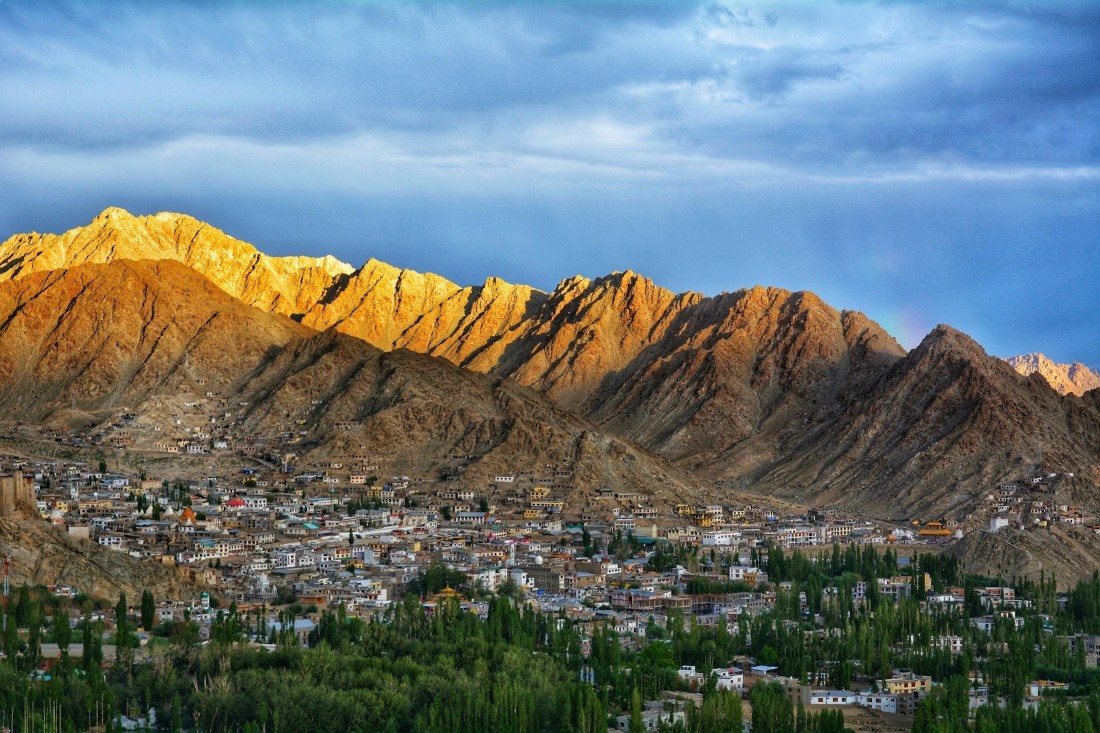
Day 3: Sham Valley to Leh via Lamayuru (180 kms / 05 – 06 hrs)

Post breakfast you drive to the 11th century Lamayuru Monastery en route visiting the mesmerizing Moon Landscapes (you will believe why the name of this area is Moonland. Exactly the same formations of land are visible as on the moon), Lamayuru is spectacularly located along the valley plain and surrounded by mountains on all sides. On your return drive to Leh you first visit the Alchi Gompa. The complex of temples located within the village is the most celebrated of Ladakh’s monasteries and dates back to the 11th century. After visiting Alchi we drive back to Leh.

Overnight Stay in Leh Hotel
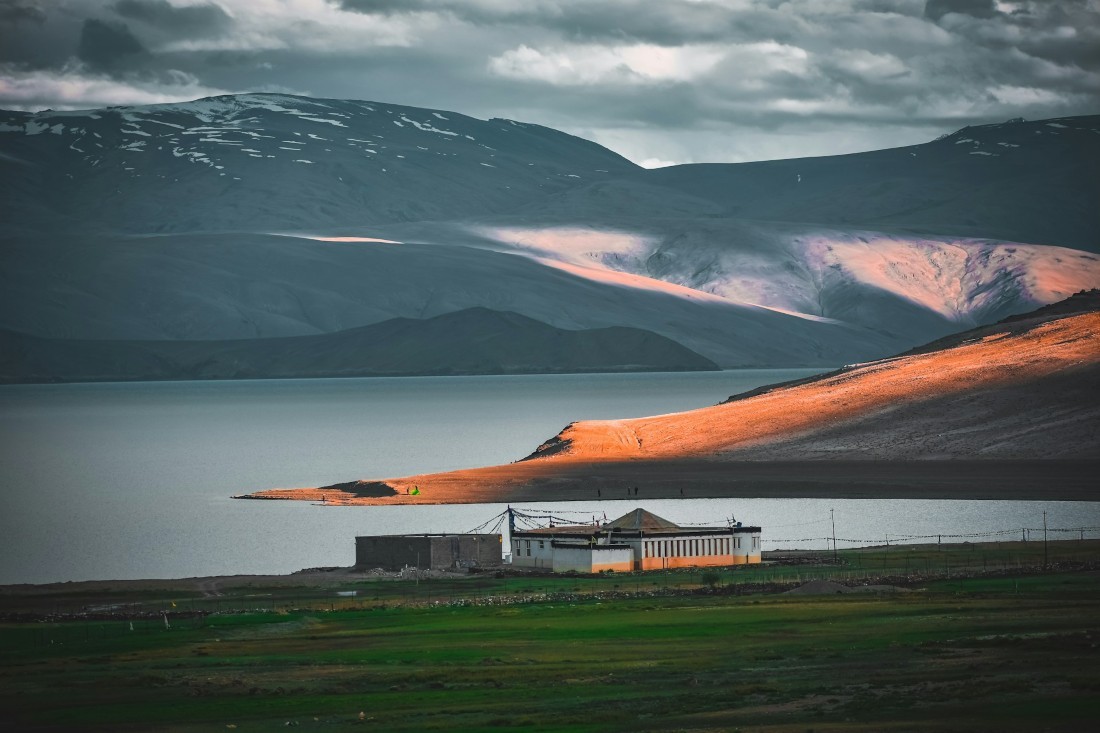
Day 4: Leh to Tso Moriri via Chumathang (240 kms / 06 – 07 hrs)

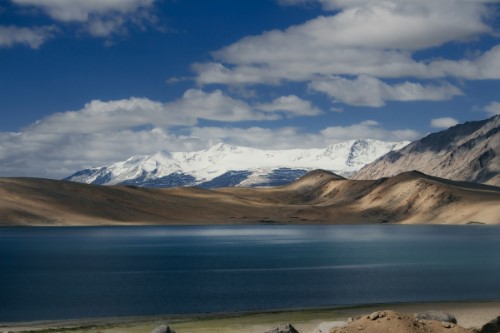
In the morning leave for Tsomoriri Lake towards Chumathang, which is famous for medical hot spring and people visit to this place for medical bath. From here a short drive will take you to Mahey Bridge, the main checking point to enter to this new area. On the way visit Sumdah village and another 55 kms drive will take you to Tsomoriri. The Tsomoriri Lake is located at 14,000 ft. near a small village of Korzok. Recently opened to foreigners due to the proximity of the Chinese border, the Changthang is a land of wilderness and magnificent landscapes, Tsomoriri Lake is also the breeding ground for numerous species of birds, like the bar headed goose, crested grebe, the Brahmini duck (ruddy sheldrake) and the brown-headed gull. The Tsomorir Lake is 8 kms wide and 28 kms long.

Overnight Stay in Tsomoriri Camp/Hotel
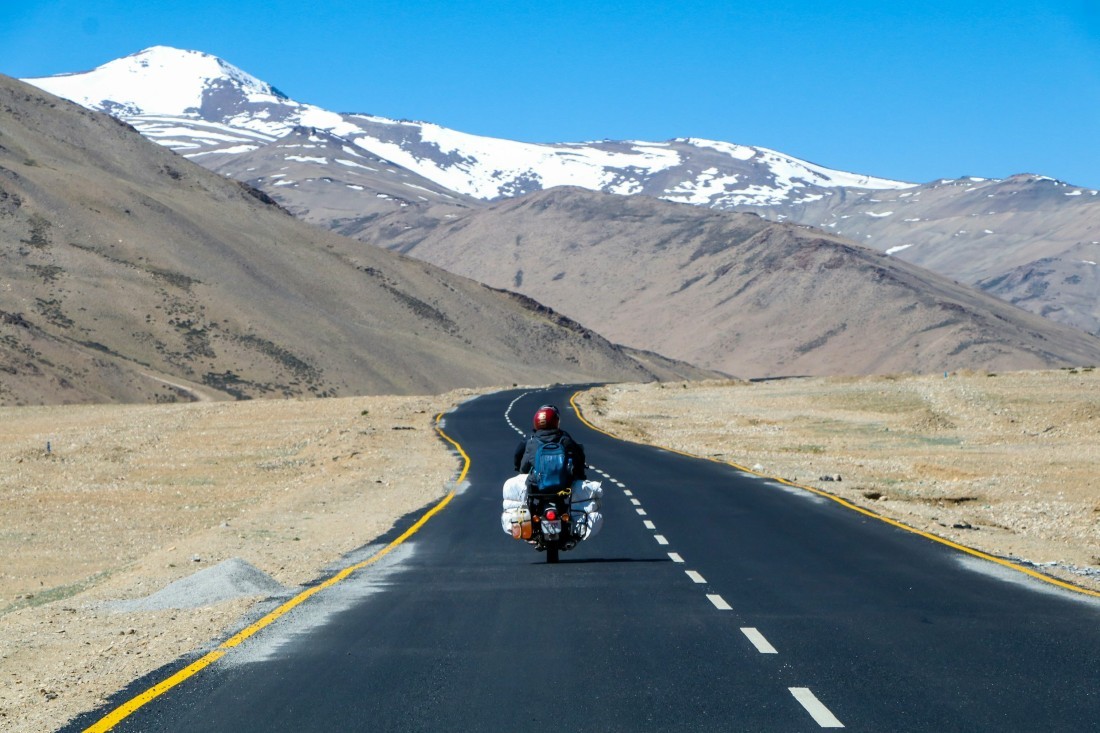
Day 5: Tso Moriri to Leh via TsoKar and TanglangLa (240 kms / 8 hrs)

After an early breakfast we check out from our camp and visit Korzok village with its houses and its Gompa appearing like a mirage. The few barley fields at Korzok must be among the highest cultivation in the world. Later we drive to Tsokar, The nomadic people Changpas are most outstanding feature of this area. They can be seen moving from one place to other grazing herds of goats, sheep and yaks. Changpas pass their days with their animals and move with their flocks, their only wealth from pasture to pasture according to changing season. Their flocks, their yaks, and goat's hair furnish the raw material of which they make their ropes, their clothes and shoes. All day long men and women are busy milking, churning the milk into butter, making ropes, weaving mats and other fabrics. These people have been completely beyond the pale of all civilizing influences. Even towards the fag end of the twenty first century, they belong to a primitive pre-historic age, The Drive is scenic and Tsokar lake is one of the best. And after spending some time we proceed further to Leh. Enroute visiting Hemis Gompa, the largest monastic foundation of Drukpa Kagyu Order of Tibetan Buddhism. And futher to Thiksey, an impressive complex rising tier upon tier on a hill above the village and another 5 Kms driving through a picturesque landscape we reach to Shey Palace, the ancient capital of Ladakh & 3 Idiots Rancho School. Visting Stok Palace Museum. Drive further to Leh. 

Overnight at hotel in Leh hotel
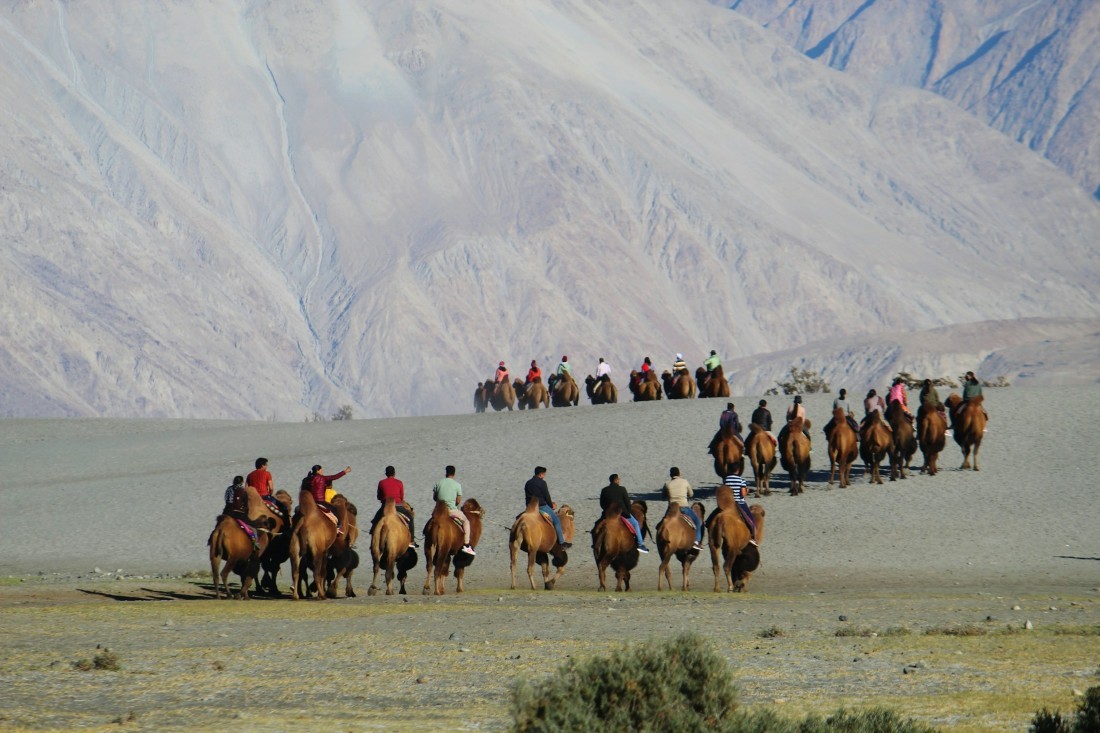
Day 6: Leh to Nubra Valley via Khardung La 18,390 ft (120 kms / 4–5 hrs)

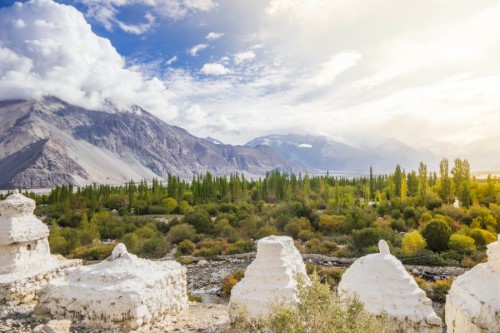
Post breakfast we drive to Nubra Valley. The road journey from Leh to Nubra Valley passes over Khardung La (The Highest Motorable Road In The World) at 5,602 Mtrs / 18,390 Ft, around 39 km from Leh. From the pass, one can see all the way south over the Indus valley to seemingly endless peaks and ridges of the Zanskar range, and north to the giants of the Saser massif. Nubra Valley is popularly known as Ldumra or the valley of flowers. It is situated in the north of Ladakh between the Karakoram and Ladakh ranges of the Himalayas. The average altitude of the valley is 10,000 Ft. above sea level. Upon arrival in Nubra we check in at our Camp / Hotel in Hunder for Overnight stay. In the evening you can walk around the tiny villages to see how the locals live in this part of the world. 

Overnight Stay in Nubra
Day 7: Nubra Valley to Pangong Lake (150 kms / 5 hrs)

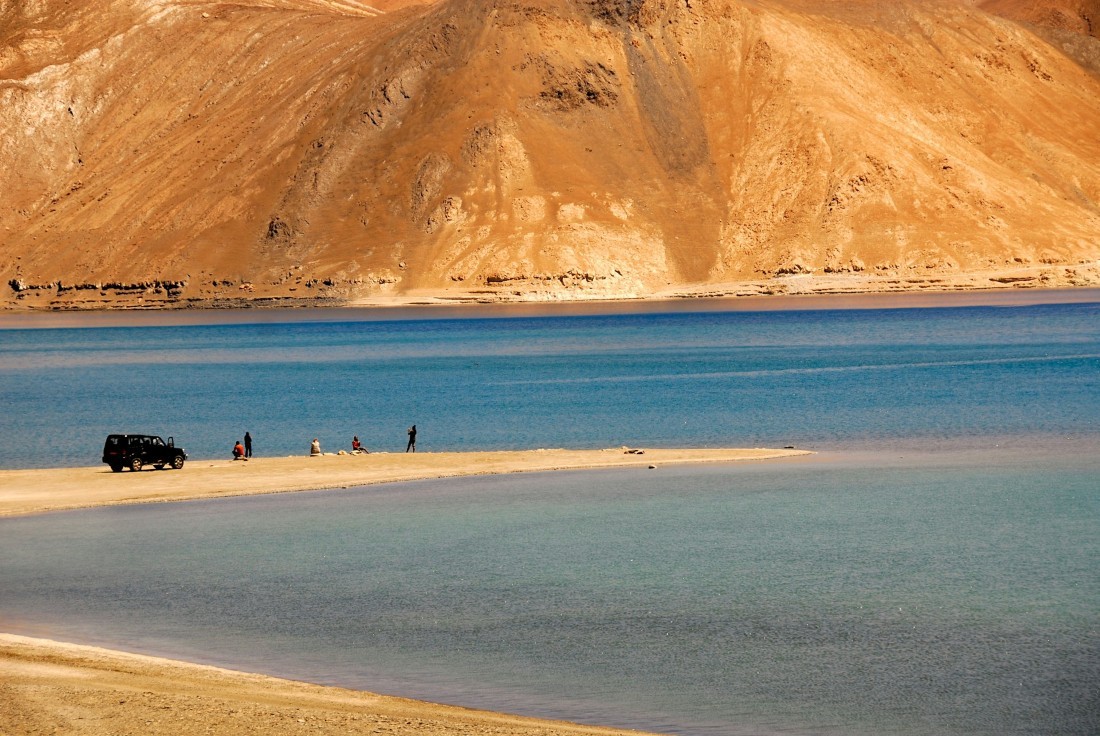
After an early breakfast we check out from Camp or hotel and drive towards Hunder where you have opportunity to ride on a bacterian camel (double humped) amidst the sand dunes of this high altitude desert with snowcapped mountains on the horizon. On the return stop at Diskit which is the headquarter town of Nubra Valley. Stroll around the bazaar observing the shops and local people going about their daily chores. Later we drive towards Pangong Tso via Agham & Shyok Valley. Some of the road patches in areas are extremely tough (towards nubra side) in terms of road conditions but no doubt the journey is very scenic!  Later after crossing this adventurous part we drive further towards Durbuk & Tangtse for Pangong you pass through few small villages of Changthang and finally you can have a sudden view of the Pangong lake situated at 14,000 feet (4,267 m).

Overnight at hotel in Pangong 
Day 8: Pangong Lake to Leh via Changla (140 kms / 6 hrs)

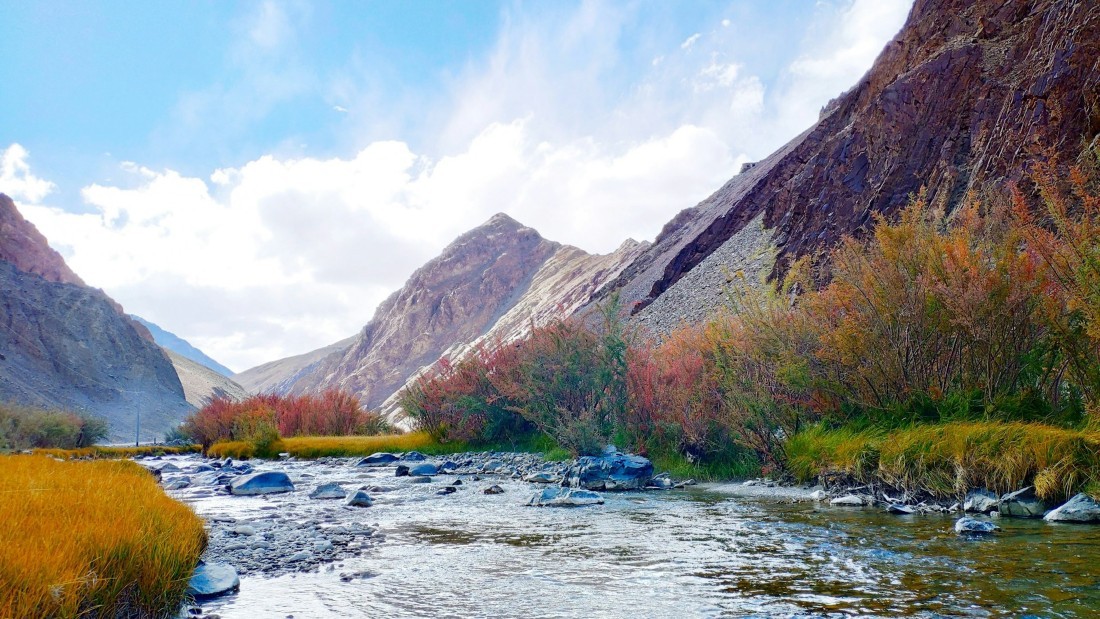
Morning at leisure to explore the beauty of lake and later we drive back to Leh via Changla Pass 5486 mtrs en route visiting Hemis Gompa, the largest monastic foundation of Drukpa Kagyu order of Tibetan Buddhism. And further to Thiksey an impressive complex rising tier upon tier on a hill above the village and another 5 kms driving through a picturesque landscape we reach to Shey Palace, the ancient capital of Ladakh & 3 Idiots Rancho School. Drive further to Leh.

Shey was the ancient capital of Ladakh and even after Singge Namgyal built the more imposing palace at Leh, the kings continued to regard Shey, as their real home. The importance which was attached to Shey – the seat of Ladakh’s heartland – is attested by the enormous number of Chorten about the village, particularly around the palace complex and barren plain to the north of the road.

Thiksey is one of the largest and most impressive gompas. There are several temples in this gompa containing images, stupas and exquisite wall paintings. It also houses a two–storied statue of Buddha which has the main prayer hall around its shoulder.

Hemis is dedicated to Padmasambhava, what a visitor can observe is a series of scenes in which the lamas, robed in gowns of rich, brightly colored brocade and sporting masks sometimes bizarrely hideous, parade in solemn dance and mime around the huge flag pole in the center of the courtyard to the plaintive melody of the Shawn.

3 Idiots Rancho School became famous after the Aamir Khan's movie Three Idiots. The name of this school is Druk Padma Karpo School, this is also known as Druk White Lotus school. The clean and eco friendly structures of the school is designed to withstand seismic disturbances. This school was conferred one of the most beautiful schools in the world by BBC London in the year 2016.

Sindhu Ghat is a river bank near Shey Monastery in Leh. Located 10 km upstream the Indus river, it originates from the Mansarovar Lake and Mount Kailash in Tibet. The scenic landscape of this attraction near Leh seems surreal. The barren mountains, rocky terrain, and river traversing the region is a sight to behold. Visit this ghat during the Sindhu Darshan Festival in June to experience the cultural extravaganza that Leh has to offer. The festival comprises sightseeing trip, campfire and many more exciting activities.

Overnight at hotel in Leh Hotel
Day 9: Departure from Leh Airport

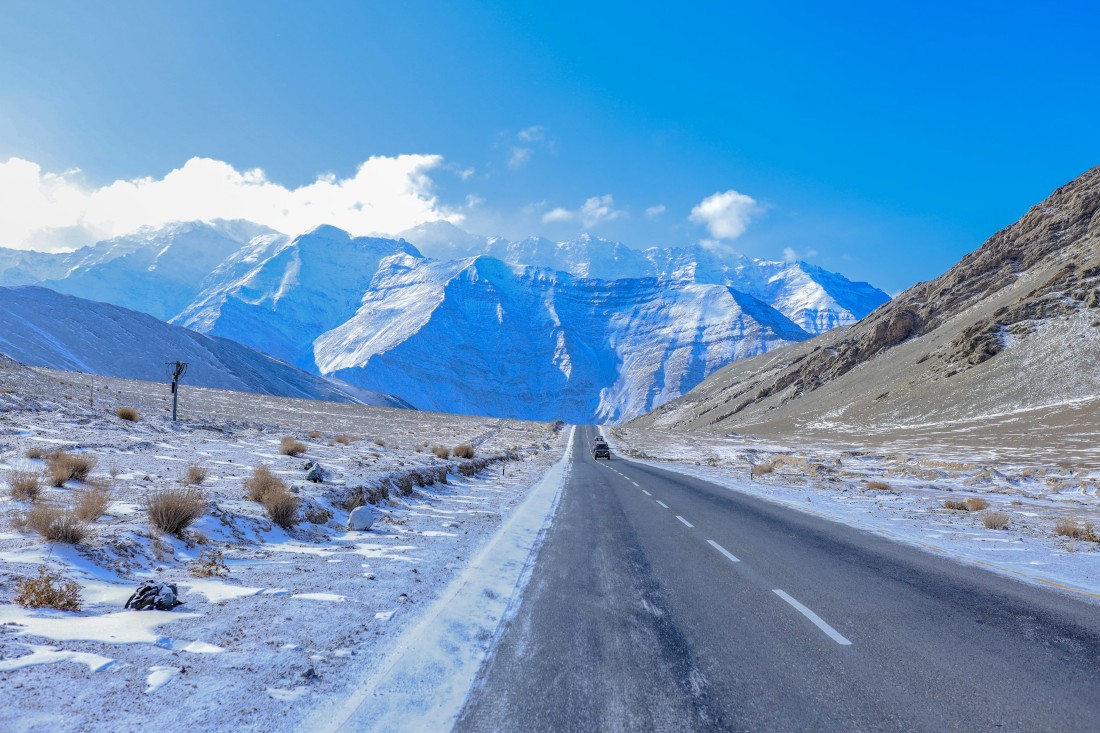
Through a punctual Overnight at the Hotel at Lehal transfer to the Domestic Airport to catch the flight for your onward destination.

End Tour

Other Details & Terms

Standard Taxi Usage:

For 2 Pax Sedan
For 4 Pax Ertiga 
For 6 Pax Ertiga 
For 8 Pax Tempo (12 Seater)
For 10 Pax Tempo (17 Seater)
For 12 Pax Tempo (17 Seater)
 

Included/Excluded

Assistance upon arrival at Leh Hotel
Traditional welcome in the Hotel with Welcome Drink (Hot Tea / Coffee / Kahwa) on arrival
08 Nights Accommodation twin/double/triple sharing Basis as per the Itinerary
Meal Plan - 08 Breakfast & 08 Dinner
Return airport and round-trip transfers along with all sightseeing tours by Non-Ac Innova | Tempo Traveller as per the itinerary
Wild Life fees & Red Cross fee
All toll taxes/Parking fee/Driver allowance
Ladakh Entry Fee
Ecological development fee
Any Airfare or Service tax (5%)
Any Kind of Personal Expenses or Optional Tours / Extra Meals Ordered
Anything not specifically mentioned under the head “Prices included”.
The Services of Vehicle is not included on leisure days & after finishing the sightseeing tour as per the Itinerary
Guide fee, Camera fee & any monument Entrances
Medical & Travel insurance
Any changes you may choose to make during your tour
Additional costs due to flight cancellation, road blocks etc

Experiences

Adventure & Thrill Adventure & Thrill
Lakes & Rivers Lakes & Rivers
Mountain & Hill Stations Mountain & Hill Stations
Nature & Wildlife Nature & Wildlife
Pilgrimage & Spiritual Pilgrimage & Spiritual
Scenic Drives Scenic Drives
Spa & Wellness Retreats Spa & Wellness Retreats
FAQs

What is the best time to visit Ladakh?
May to September is the ideal season, when roads are open and the weather is pleasant. June to August is the peak tourist season. Winter (October to March) is extremely cold and mostly suited for experienced travelers or those interested in winter treks like Chadar Trek.
How can I reach Ladakh?
By Air: Direct flights are available to Leh Airport from Delhi, Srinagar, and Chandigarh. By Road: Manali–Leh Highway (open from mid-June to September). Srinagar–Leh Highway (open from May to October). Ladakh is located at high altitude (11,500 ft). Travelers should rest for at least 24–48 hours after arrival to avoid Acute Mountain Sickness (AMS). Avoid exertion, drink plenty of fluids, and eat light. One will experience snowfall mostly in winter (November to March) or at high passes like Khardung La and Chang La, even in summer months. Roads may be temporarily closed during heavy snow.
Do I need any permits to travel in Ladakh?
Yes, Inner Line Permits (ILP) are required for Indian nationals to visit: Nubra Valley; Pangong Lake; Tso Moriri; Hanle; No permits needed for Sham valley.; These are issued online (leh.nic.in) or through registered tour operators. Foreign nationals need a Protected Area Permit (PAP). Ladakh borders China and Pakistan. Some areas near the LAC (Line of Actual Control) like Hanle, Turtuk, and Chushul require permits and may be off-limits without authorization.
What kind of accommodation is available in Ladakh?
Ladakh offers all types of stays: Luxury hotels and camps (The Grand Dragon, Chamba Camp, The Indus Valley), Mid-range hotels in Leh and Nubra, Budget guesthouses and homestays in villages, Campsites near Pangong, Nubra, and Tso Moriri. Advance booking is recommended during peak season. For Sham Valley, a few homestays and guesthouses are available in Alchi and nearby villages.
What should I pack for Ladakh?
Warm jackets (even in summer, nights are cold); Gloves, thermal wear, woolens; Comfortable walking shoes; Sunglasses, sunscreen (high UV levels); Lip balm, moisturizers; Medicines for altitude sickness (consult your doctor); Reusable water bottle; ID proof and 4–5 passport-size photos (for permits)
What are the top places to visit in Ladakh?
Leh Town – Shanti Stupa, Leh Palace, local markets. Pangong Tso – Famous blue lake. Nubra Valley – Hunder (sand dunes), Diskit Monastery, Bactrian camels. Tso Moriri – Remote lake with migratory birds. Khardung La Pass – One of the highest motorable roads. Magnetic Hill, Lamayuru Monastery, Alchi, Hemis, and Zanskar Valley. Ladakh hosts unique festivals too, like: Hemis Festival (June/July) – Celebrating the birth of Guru Padmasambhava. Ladakh Festival (September) – Dance, music, polo, mask performances. Losar (New Year) – December/January, celebrated with rituals and local dishes.
Can I rent a bike or car in Ladakh?
Yes. Leh offers bike and car rentals with local driver options. Only Leh-registered vehicles are allowed for local sightseeing and remote areas. Outside vehicles (e.g., from Manali or Srinagar) are not permitted beyond Leh. Experienced drivers can take a road trip via Manali–Leh or Srinagar–Leh, but be prepared for: Tough terrains and steep roads, Altitude gain, Fuel planning (limited petrol stations), Spare tires and vehicle checks.
What should I know about health and medical support?
Carry basic medicines, Diamox (for AMS), and personal medication. Drink only bottled, boiled, or purified water. Avoid cold drinks or juices made with untreated water. Leh has a government hospital and some private clinics. Medical facilities are limited in remote areas. Oxygen cylinders are available at some hotels and vehicles.
Are ATM, mobile network and internet available in Ladakh?
Only postpaid connections work in Ladakh. BSNL, Airtel, and Jio postpaid SIMs have coverage in Leh and a few nearby towns. Connectivity is limited or unavailable at Pangong, Nubra, and Tso Moriri. Leh has a few ATMs (SBI, HDFC, J&K Bank)
What local customs should I respect in Ladakh?
Remove shoes when entering monasteries. Avoid loud behavior or pointing feet at religious objects. Always ask before photographing locals, especially monks. Photography is allowed in most places, but some monasteries or military areas may restrict it. Dress modestly. Drones require special permission from the local administration and are often not allowed near borders. Ladakhi, Hindi, and English are widely understood. Tibetan is also spoken in monasteries and by older generations.
How many days are ideal for a Ladakh trip?
A minimum of 7–9 days is recommended to include: 2 days for acclimatization. 1 day for Nubra Valley. 1–2 days for Pangong. 1 day for Tso Moriri (optional). 1–2 days in Leh and surroundings.
What is Leh known for?
Leh is the administrative capital of Ladakh, known for its ancient monasteries, palaces, bustling markets, and as the base for trips across the region. Some of the top places to see are Shanti Stupa; Leh Palace; Hall of Fame; Market and Tibetan refugee camps; Shey, Thiksey and Hemis monasteries (on outskirts).
How many days should I stay in Leh?
Minimum 2 nights for acclimatization. Add 1–2 more days to explore nearby places like Magnetic Hill, Hall of Fame, and monasteries.
What is Nubra Valley famous for?
Nubra is known for its cold desert landscapes, sand dunes at Hunder, double-humped Bactrian camels, and Diskit Monastery. Some must-visit places are Hunder Sand Dunes, Diskit Monastery (with giant Buddha statue), Panamik hot springs, Turtuk (last village on Indian side near the Pakistan border).
How do I reach Nubra Valley from Leh?
Nubra Valley is about 125 km from Leh via Khardung La Pass (5,359 m). The drive takes around 5–6 hours.
What is special about Pangong Lake?
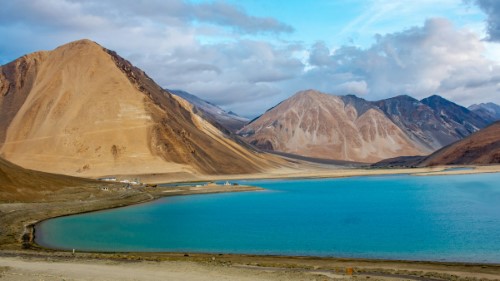
Pangong Lake is a high-altitude saltwater lake that changes shades of blue and stretches from India to China. It’s about 160 km far from Leh, taking 5–6 hours via Chang La Pass (5,360 m).
Can I stay overnight at Pangong?
Yes, but accommodation is basic. Camps and eco-resorts are available in Spangmik, Man, and Merak villages near the lake.
Is there network coverage at Pangong?
Generally no. Pangong Lake has little to no mobile or internet connectivity.
What is Sham Valley and why is it called the "Apricot Valley"?
Sham Valley is a lush region west of Leh, known for apricot orchards, cultural sites, and scenic landscapes. Some of the attractions are Magnetic Hill Sangam (confluence of Indus and Zanskar rivers) Alchi and Likir Monasteries Basgo Palace Hall of Fame War Museum Sham Valley circuit is a popular full-day excursion from Leh and can be done as a day trip.
What is Tso Moriri famous for?
Tso Moriri is a pristine high-altitude lake, less commercial than Pangong, known for migratory birds and solitude. From Leh, it's about 220 km via Chumathang or 6–7 hours of travel. The roads are rugged but scenic.
Is Tso Moriri colder than Pangong?
Yes. Due to higher elevation and remote location, nights are colder even in summer.
Where is Hanle and why is it significant?
Hanle is a remote village in southeastern Ladakh, known for the Indian Astronomical Observatory and its dark skies ideal for stargazing. It’s about 250 km from Leh. The route is remote and passes through Nyoma and Loma check post. Entry into the telescope area is restricted, but the surroundings offer excellent astrophotography and night sky views.
Are there any restricted or military-sensitive areas in Ladakh?
Yes. Ladakh shares borders with China and Pakistan, so certain areas are sensitive. Photography is prohibited near military installations. Some routes like Chushul, Demchok, and parts of Hanle may be restricted or require special permission. Always follow instructions from the Army and local administration.
How serious is altitude sickness in Ladakh?
Altitude sickness (AMS) is common due to the high elevation. Symptoms include headache, nausea, dizziness, and breathlessness. Avoid alcohol for the first 48 hours. Ascend gradually and avoid sleeping at very high altitudes initially. Immediate descent is required if symptoms worsen.
Is Ladakh suitable for family travel and children?
Yes, families can visit Ladakh with proper planning. Children may be more sensitive to altitude. Ensure acclimatization days. Avoid very remote areas with kids under 5 years.
Does Ladakh follow a different time zone or routine?
Ladakh follows Indian Standard Time (IST). Days start early due to sunrise around 5 AM in summer. Shops often close early in the evening, especially in villages.
Are trekking and adventure activities popular in Ladakh?
Yes, Ladakh is a hub for adventure tourism. Popular treks: Markha Valley, Stok Kangri, Sham Valley. Activities include river rafting, mountain biking, camel safaris, and stargazing. Most activities are seasonal (June–September).
Why is Ladakh famous for stargazing and astrophotography?
Ladakh has: Minimal light pollution, Clear skies, High altitude and dry climate. Places like Hanle, Pangong, and Tso Moriri are excellent for night sky photography.

Reviews

0/5
Not Rated
Based on 0 review
Excellent
0
Very Good
0
Average
0
Poor
0
Terrible
0
No Review
You must log in to write review
from ₹ 32,600   per person
(for 12 Pax travelling together)
May - Oct 26
   No. of Travellers
2 Pax
4 Pax
6 Pax
8 Pax
10 Pax
12 Pax
   Hotel Category
Standard
Deluxe
Super Deluxe
Premium
Premium +
Luxury
Semi-Luxury
   Meal Plan
Breakfast & Dinner

Extra prices:

({{type.price_type}})
{{type.price_html}}

Discounts:

{{type.from}} - {{type.to}} guests from {{type.from}} guests
- {{ formatMoney(type.total) }}
({{type.price_type}})
{{ type.price }}%
{{ formatMoney(type.price) }}
  • {{total_price_html}}
  • {{pay_now_price_html}}
🎉 Applicable commission! {{total_commision_html}} ✨

from
₹ 32,600
0 Review