FAQs
Yes, most travelers require a visa.
eVisa is available for citizens of over 50 countries including India, the US, UK, Schengen states, and more.
GCC residents may be eligible for an easier visa process.
Transit visas and visa on arrival are also available under certain conditions.
Apply via the official Saudi eVisa portal.
October to March is ideal due to pleasant weather, especially for exploring cities and deserts.
Avoid June to August, when temperatures soar above 45°C, especially in the interior and desert regions.
Men: Long pants and shirts with sleeves.
Women: Modest clothing that covers shoulders and knees. Headscarf is not mandatory for tourists, but advisable in conservative or rural areas.
Swimwear is allowed at private beaches and resort pools.
No. Alcohol is strictly banned, and possession or consumption is illegal. Travelers should not attempt to bring it into the country.
Riyadh – Capital city with museums, skyscrapers, and heritage sites;
Jeddah – Red Sea city with old markets and luxury resorts;
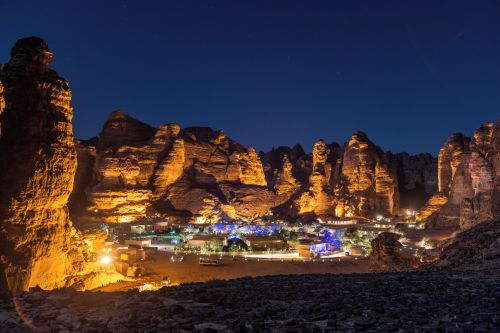
AlUla – UNESCO site with rock formations and Nabataean tombs;
Medina – Holy city for Muslims (non-Muslims can visit parts of the city);
Mecca – Only Muslims allowed; site of the annual Hajj pilgrimage;
Abha & Asir Mountains – Cool weather and lush greenery;
Al Khobar/Dammam – Coastal cities on the Arabian Gulf.
Local cuisine: Kabsa (spiced rice with meat), shawarma, dates, Arabic bread, hummus;
International cuisines are widely available, including Indian, Pakistani, Western, Turkish, Filipino, and Asian;
Vegetarian options are available in most places.
Public non-Islamic religious practices or displays are not permitted;
Non-Muslims cannot enter Mecca or parts of Medina;
Visitors should be respectful of Islamic traditions and prayer times;
There are 5 daily Islamic prayers.
Some shops or government offices may briefly close during prayer times, though this is less rigid in tourist areas now.
Always respect prayer calls and avoid loud behavior nearby.
Don’t photograph locals without permission;
Avoid discussing politics or religion;
Greet people with “As-salamu Alaikum”;
Friday is a weekly holiday – plan business visits accordingly.
Ride-hailing apps like Uber and Careem are widely used;
Car rentals are available (international driving license required);
Intercity flights are common and efficient;
The Haramain High-Speed Railway connects Makkah, Jeddah, and Medina;
Buses and taxis are available in cities.
Yes. Local SIMs are available at airports and shops. Major providers include STC, Zain, and Mobily.
Wi-Fi is common in hotels and cafes.
Al Masmak Fortress – Historic mud-brick fort symbolizing unification;
National Museum of Saudi Arabia – Cultural and historical exhibits;
Kingdom Centre Tower – Iconic skyscraper with a sky bridge;
Diriyah (At-Turaif District) – UNESCO site and birthplace of the Kingdom;
Riyadh Season (seasonal) – Major entertainment events, concerts, and expos;
Edge of the World – Stunning cliffside desert view outside Riyadh.
Taxis, Uber, and Careem are reliable.
Riyadh’s metro system is under development.
Jeddah is the gateway to Mecca and a cosmopolitan coastal city with a mix of modernity and heritage. Some of the activities to do are
Walk along the Jeddah Corniche;
Visit the Floating Mosque (Al Rahma Mosque);
Explore Al-Balad, the old town with coral architecture;
View King Fahd’s Fountain, the tallest in the world;
Enjoy Red Sea diving and snorkeling
Yes, and they can explore the entire city except Mecca. Jeddah is very tourist-friendly.
Visit Red Sea Mall, Mall of Arabia, and Souq Al Alawi.
The food scene includes seafood, Arabic, and international cuisines.
Hail is known for rock art, ancient history, and its role as a gateway to northern deserts. Some of the key attractions are
Jubbah Rock Carvings – UNESCO site with 10,000-year-old petroglyphs;
Qishlah Palace – Historic mud-brick fort in the city center;
A’arif Fort – For panoramic views of Hail;
Hail Desert – Great for camping and star-gazing.
Al Ula is home to Hegra (Madain Saleh), a UNESCO World Heritage Site, and stunning sandstone formations. Some of the must- visit places are
Hegra – Nabataean tombs (like Petra, Jordan);
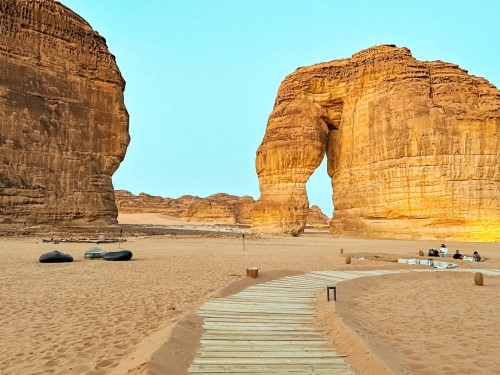
Elephant Rock (Jabal Al Fil) – Natural rock shaped like an elephant;
Dadan and Ikmah – Pre-Nabataean kingdoms and inscriptions;
Old Town of Al Ula – Heritage village;
Maraya Concert Hall – World’s largest mirrored building.
Yes, non-Muslims can enter the city, but not the area around Al-Masjid an-Nabawi (The Prophet’s Mosque).
The Prophet’s Mosque (Masjid an-Nabawi) – For Muslims;
Quba Mosque – First mosque in Islam;
Mount Uhud – Site of a historic Islamic battle;
Dar Al Madinah Museum;
Al Noor Mall and modern shopping centers.


 Adventure & Thrill
 Beaches & Islands
 Culinary & Food
 Culture, Heritage & History
 Lakes & Rivers
 Mountain & Hill Stations
 Nature & Wildlife
 Pilgrimage & Spiritual
 Scenic Drives
 Shopping & Local Markets
 Spa & Wellness Retreats
 Water Sports Adventures